If you love the storybook feel of Brookside Park, chances are Tudor homes have already caught your eye. Their steep gables, arched entries, and leaded-glass windows offer a charm that feels timeless. You want character, but you also want livable updates that respect the home’s history. This guide shows you how to identify authentic Tudor features inside and out, what smart renovations look like, and how to navigate local context as you search in Brookside. Let’s dive in.
Why Brookside Tudors stand out
Brookside grew during Kansas City’s streetcar era, which made early-20th-century styles like Tudor Revival popular. Most local Tudors date from the 1910s through the 1930s, when builders adapted medieval English cues to comfortable American homes. In Brookside Park, you’ll see a walkable streetscape with mature trees and a mix of Tudors, bungalows, Colonials, and foursquares.
Because many houses were built between the early 1900s and 1930s, you’ll find period materials and detailing throughout the neighborhood. If you’re evaluating a specific home, verify the build date and check whether any historic designation or local overlay applies. City preservation offices, county property records, and neighborhood association resources can help you confirm rules around exterior changes.
Exterior hallmarks to spot
You can usually recognize an authentic Tudor home from the sidewalk. Look for these defining elements in Brookside Park:
Rooflines and massing
- Steeply pitched roofs, often in cross-gable configurations.
- Asymmetrical façades with projecting gables and occasional small dormers.
- Recessed or angled entries that feel sheltered and welcoming.
Materials and surfaces
- Brick on the first story, paired with stucco and half-timbering in the gable ends or upper sections.
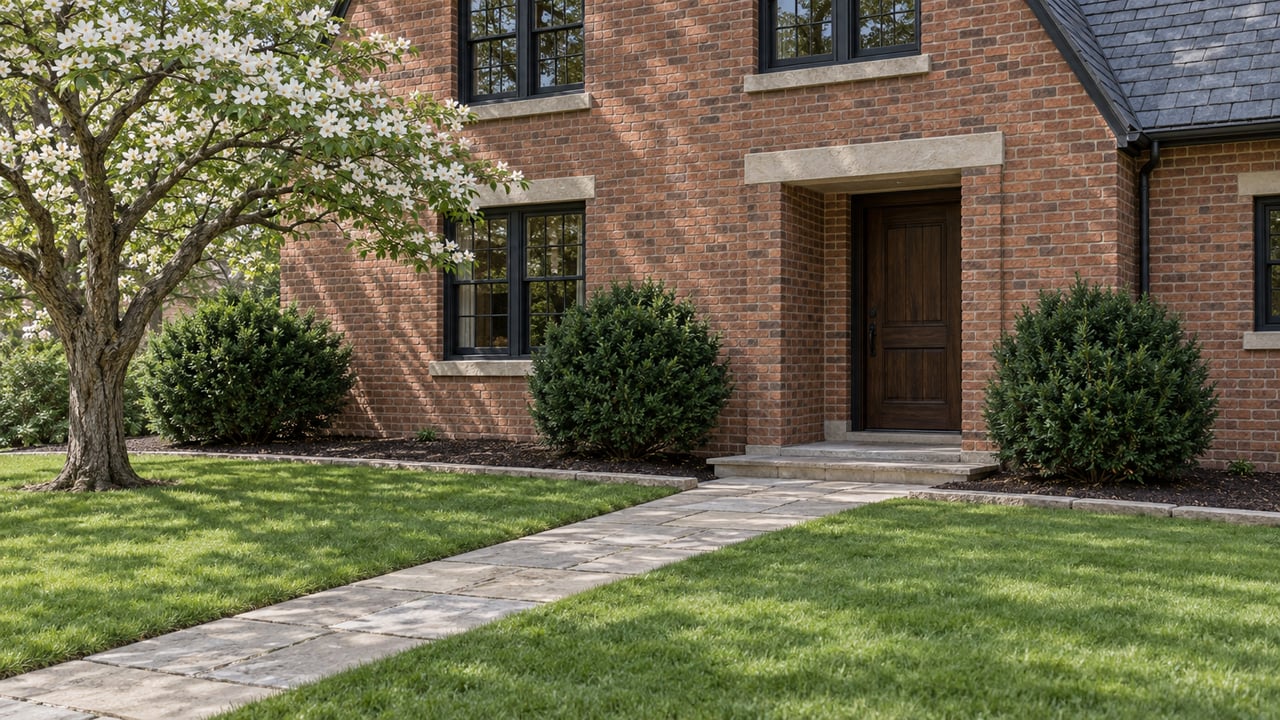
- Decorative brickwork and simple stone or cast-stone trim around doors and windows.
Half-timbering and stucco
- Dark boards over light stucco infill create the classic half-timbered gable ends. In American Tudors, these boards are typically decorative rather than structural.
Doorways and entries
- Arched or rounded door openings, sometimes with heavy plank-style doors.
- Deep, arched recessed entry porches that reinforce the cozy, storybook feel.
Windows and glazing
- Casement windows are common, often grouped for balance.
- Leaded glass and diamond-pane or rectangular muntins signal original character; multi-pane wood sashes are a prized feature when intact.
Chimneys and fireplaces
- A prominent brick chimney is frequently a focal point on the façade, sometimes with decorative brickwork, multiple shafts, or chimney pots.
Related features and additions
- Small bay or oriel windows, modest stone accents, and mature plantings enhance curb appeal.
- Detached or side-set garages are common; later additions that match roof pitch and materials tend to look most at home.
Interior character buyers value
Inside Brookside Tudors, you’ll feel the crafted detail and cozy scale that make the style so livable.
Floor plan and scale
- Compact, compartmentalized layouts with defined living and dining rooms.
- Original kitchens were smaller and more closed; bedrooms and living spaces aim for an intimate, sheltered feel.
Focal points and built-ins
- A fireplace often anchors the living room, with brick or stone surrounds and a detailed mantel.
- Built-in bookcases, window seats, and custom woodwork reflect the home’s handcrafted origins.
Materials and finishes
- Original hardwood floors and plaster walls add texture and warmth.
- Arched interior doorways, exposed ceiling beams in some examples, and detailed millwork around doors and windows are common.
Kitchens and baths
- Many renovations open the kitchen to the dining room while keeping period-appropriate cabinet styles and hardware.
- Updated baths that use classic tile patterns and sympathetic fixtures feel true to the era without sacrificing function.
Basements and attics
- Basements are typical and are often finished in renovated homes; attics may offer storage or additional space if thoughtfully remodeled.
Comfort and systems
- Modern HVAC, insulation, electrical, and plumbing upgrades are common in renovated Tudors. The best examples integrate updates discreetly so they do not overshadow character features.
Renovations that preserve charm
You want a home that lives well today without losing its soul. In Brookside, renovations that do the following tend to stand out:
- Keep original millwork and joinery. Thick moldings, well-preserved door casings, original baseboards, and intact built-ins signal quality.
- Preserve or thoughtfully replicate period features. Original leaded-glass windows, handsome fireplace surrounds, and authentic half-timbering details read as genuine character.
- Match materials and proportions. Additions and kitchen updates that continue the brick-and-stucco palette, echo original millwork profiles, and maintain roof pitches look cohesive.
- Respect room scale. Tudors favor cozy rooms. Sensitive plans open circulation where it counts while preserving defining walls and focal points.
- Integrate modern systems quietly. Concealed HVAC runs, careful electrical placement, and bath updates that nod to the 1920s–1930s keep the home’s character front and center.
- Complement with landscaping. Curved paths, modest front yards, and mature plantings reinforce Tudor curb appeal.
Touring checklist: quick cues of quality
Use this simple list when you preview Brookside Tudor homes:
- Look for original leaded windows, intact millwork, and a welcoming arched entry. These are easy-to-spot hallmarks of an authentic Brookside Tudor.
- Stand in the living room and note the fireplace focal point. Renovations that preserve fireplace sightlines and built-ins usually keep the home’s soul while adding modern comfort.
- Scan the rooflines and gables from the street. Steep gables, half-timbered gable ends, and a prominent brick chimney are strong exterior signs.
- Check kitchen and bath finishes. Period-friendly tile, cabinetry profiles, and hardware suggest a preservation-minded update.
- Walk the addition, if any. Continuity in roof pitch, brick and stucco, and trim details is a good sign.
- Step outside again. Mature trees, hedges, and modest paths enhance that storybook feel without overpowering the house.
Market and preservation insights
Historic character often commands a premium in established, walkable neighborhoods like Brookside. Renovated Tudors that balance modern systems with preserved details are especially desirable among buyers seeking move-in-ready historic homes. For current pricing and inventory, rely on MLS data or local broker reports.
Some Brookside properties may fall within historic districts or conservation overlays that affect exterior work, materials, or review processes. Before committing to major changes, check with the City of Kansas City’s historic preservation office for local designation maps and design review procedures. Jackson County property records can confirm build dates and any recorded easements. The Brookside neighborhood association is also a helpful resource for local history and guidelines.
If you plan improvements, preservation-minded strategies include retaining original windows where feasible or using historically compatible replacements, matching exterior materials and roof pitches for any addition, and insulating in ways that do not alter character-defining features. Owners sometimes consult local architects or contractors experienced in historic renovation for sympathetic design and realistic cost estimates.
Insurance and accessibility can also factor into your decision. Some historic homes carry different insurance considerations, and certain upgrades may be advised to meet current needs. Thoughtful design can improve comfort and function while honoring the home’s original character.
Next steps in Brookside Park
If a Brookside Tudor’s charm speaks to you, focus your search on homes with authentic exterior cues, preserved interior craftsmanship, and renovations that respect scale and materials. As you evaluate listings, use the quick checklist above, verify the build date, and confirm any historic overlays before planning changes. With the right guidance, you can secure a home that blends period character with modern comfort.
When you are ready to explore specific properties, schedule a conversation with a local team that knows Brookside’s architecture and market nuances. For discreet, high-touch representation backed by decades of experience, connect with The Gamble Group to Schedule a Consultation.
FAQs
How old are Brookside Tudor homes in Kansas City?
- Most Brookside Tudors date from the early to mid-20th century, with many built in the 1910s–1930s; confirm exact build dates in county property records.
What exterior features define an authentic Tudor in Brookside Park?
- Look for steep gables, half-timbered gable ends over stucco, an arched recessed entry, grouped casement windows with leaded or diamond-pane glass, and a prominent brick chimney.
Do historic designations limit what I can change on a Tudor home?
- Possibly; local designations can trigger review for exterior changes and materials, while interior changes are usually less regulated, so verify rules for the property’s location.
Are Tudor homes energy-inefficient compared to newer builds?
- Original assemblies and windows are less efficient, but many renovated Tudors include modern HVAC, insulation, and discreet upgrades that improve comfort without losing character.
Can I open a Tudor kitchen without losing the home’s charm?
- Yes; many owners open the kitchen to dining or living areas while retaining trim details, fireplace sightlines, and period-appropriate finishes to keep the historic feel.
What signals a high-quality renovation in a Brookside Tudor?
- Consistent materials and roof pitches, preserved millwork and built-ins, compatible window replacements, and updated systems that are integrated discreetly indicate thoughtful work.