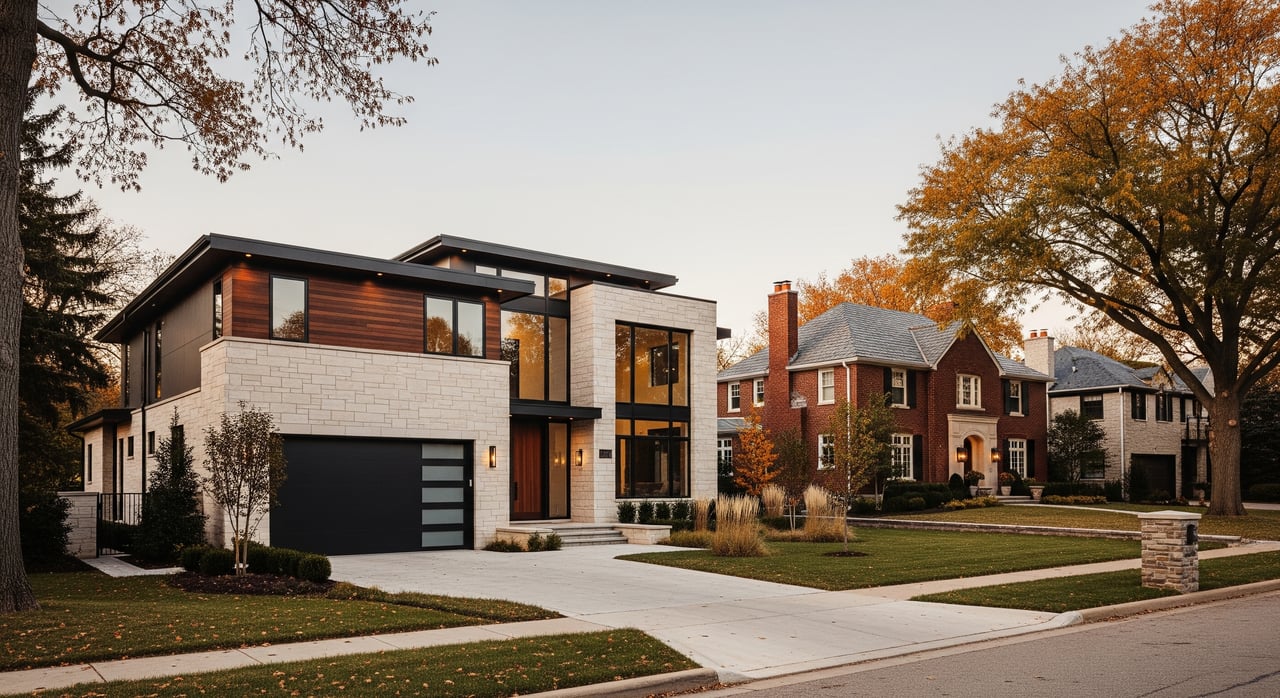
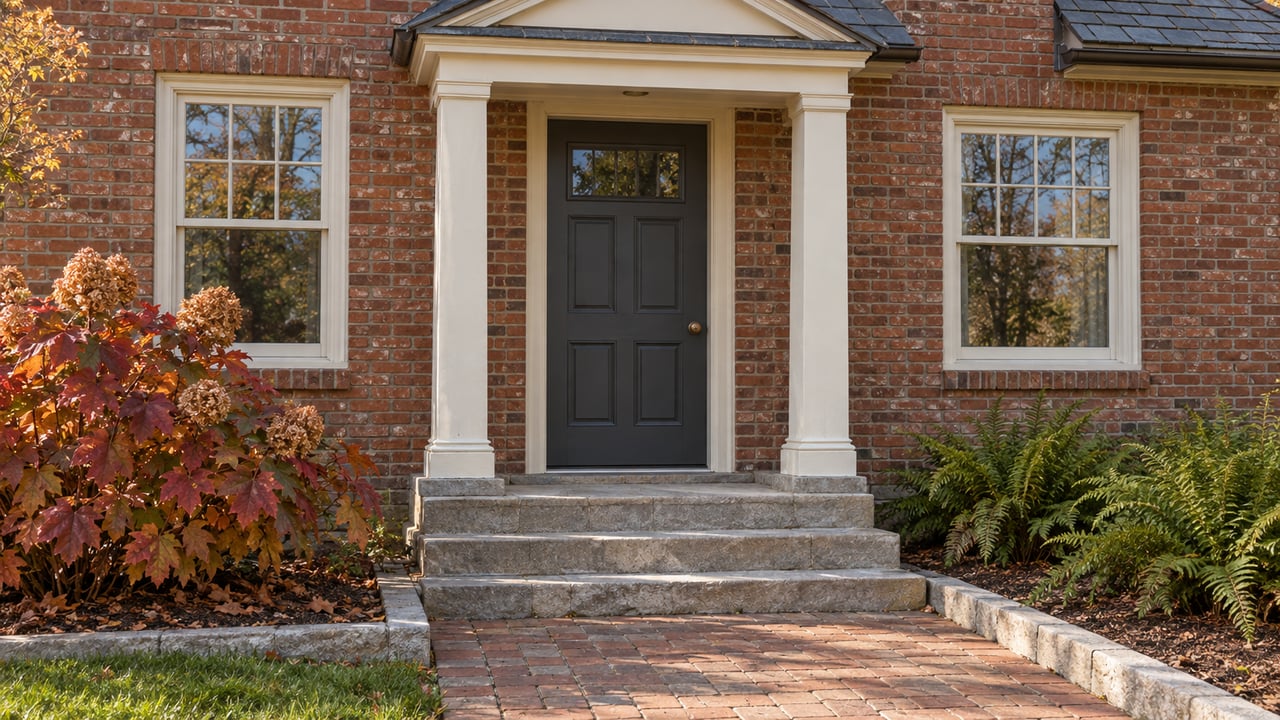
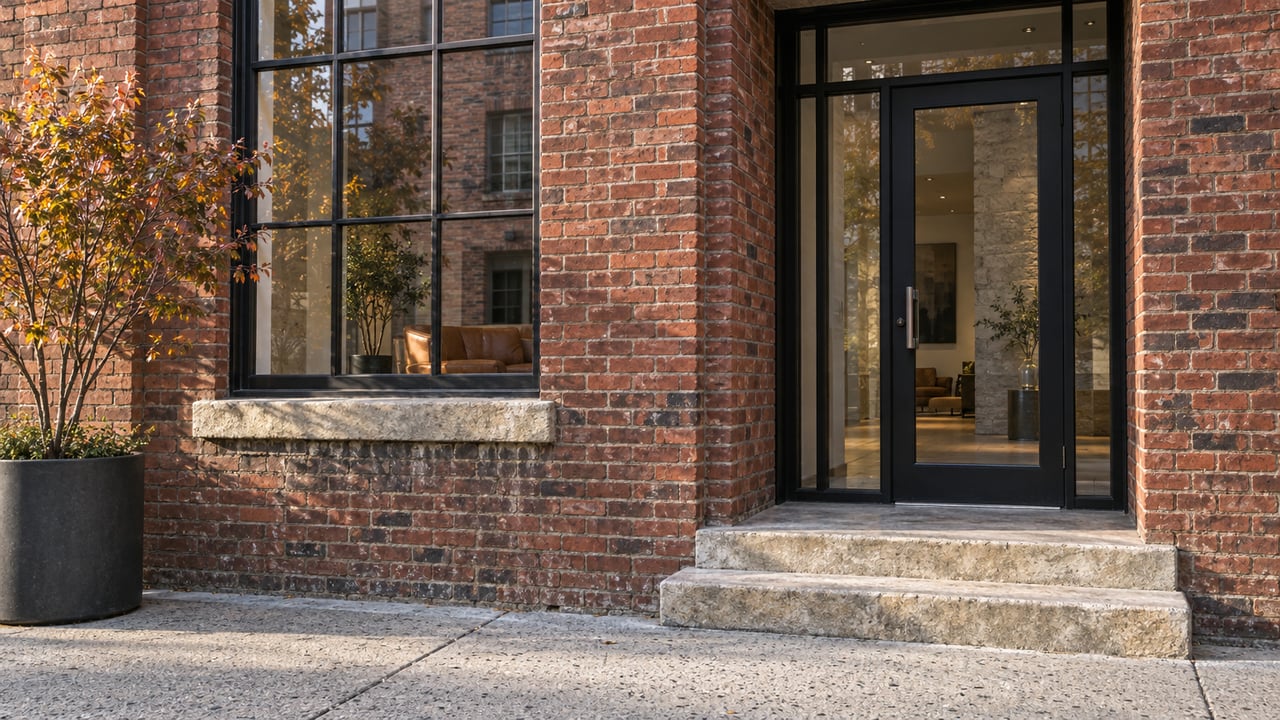
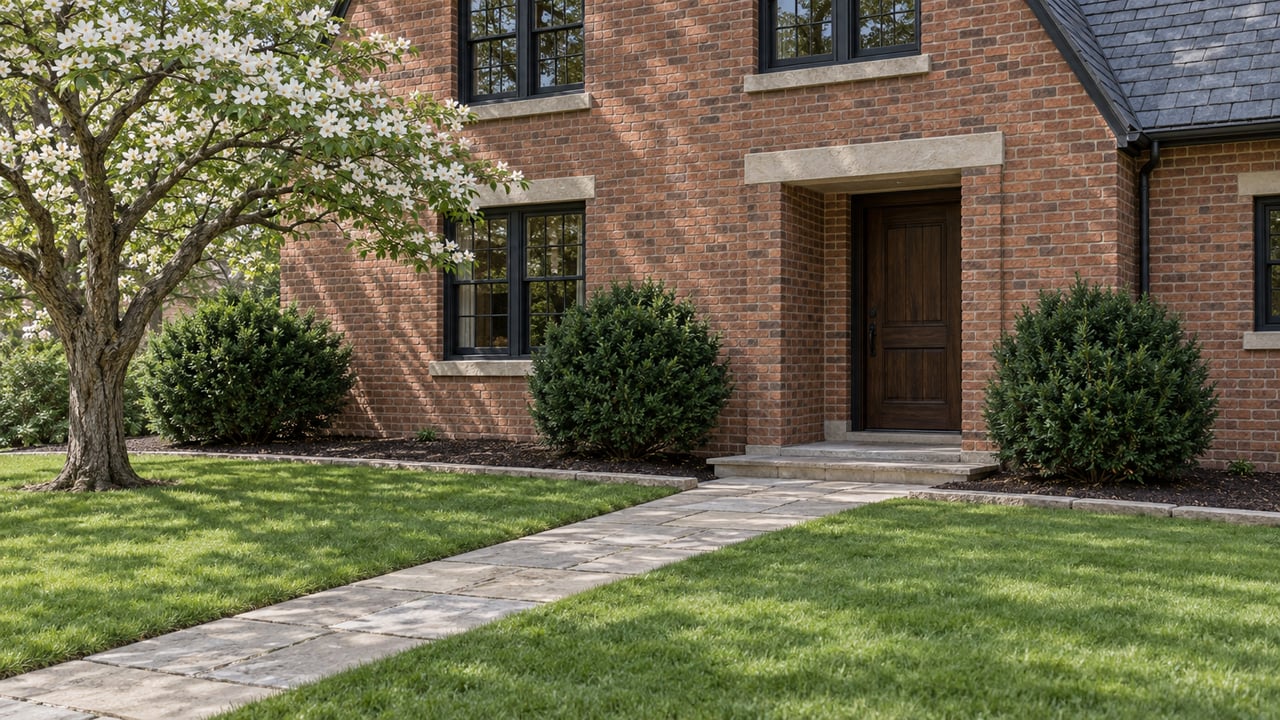
Trying to decide between a brand‑new build and a character‑filled resale in Leawood? You are not alone. Many move‑up families in Johnson County weigh convenience, budget, timing, and style before they make a move. In this guide, you will get a clear, local look at costs, timelines, lot options, architecture, resale value, and a practical checklist to help you choose with confidence. Let’s dive in.
Leawood at a glance
Leawood is an established suburb with mature, tree‑lined neighborhoods alongside newer subdivisions. Many buyers are move‑up families who value yard space, thoughtful layouts, and proximity to Kansas City employment centers, shopping, and medical services. These factors support steady demand for both quality resales and well‑located new construction.
If you are considering a teardown or custom build, know that Leawood has active planning and permitting. Always confirm zoning, setbacks, lot coverage, and timelines with the City of Leawood Planning and Development before you assume a lot can be redeveloped.
Price and total cost in Leawood
Choosing between new and resale often starts with the full cost picture. Look beyond the list price and consider everything it takes to get the home you want.
New construction costs
- Purchase price per square foot can be higher for comparable finishes due to modern systems, energy performance, luxury features, and builder margins.
- Expect soft costs beyond the base price. Common add‑ons include lot premiums, options and upgrades, landscaping, window coverings, and sometimes higher closing costs tied to construction draws.
- Short‑term savings are real. You may see lower immediate maintenance and potential energy savings, plus builder warranties that cover certain items for a set period.
Resale costs
- Pricing varies widely. You can find unique architecture, mature trees, and larger setbacks at a range of price points.
- If a home needs updating, there may be room to negotiate. Be sure to add estimated renovation costs to your total budget.
- Older systems can carry hidden costs. Inspections and repair allowances are essential to protect your budget.
Local nuance: In many established Leawood neighborhoods, lot quality carries a premium. Infill lots or tear‑downs in prime locations can be costly before construction even begins.
Timeline and process
Your move‑in date may be the biggest deciding factor.
New construction timeline
- Spec or inventory homes can be ready in weeks to a few months.
- Semi‑custom or custom builds commonly take 6 to 12 months or more, depending on permits, site prep, weather, subcontractor schedules, and material lead times.
- Financing can differ from a standard mortgage. Some buyers use construction loans or builder construction‑to‑perm financing. Appraisal timing matters, especially if the market shifts between contract and completion.
Resale timeline
- Most resale transactions close in 30 to 60 days, depending on inspections, appraisal, and lender requirements.
- If you are paying cash or already fully pre‑approved, you may close faster, especially with a motivated seller.
Leawood specific: Factor in municipal permit timing and any neighborhood architectural review. A teardown plus new build adds time for demolition and approvals.
Lot availability and redevelopment
Your lot can shape your lifestyle, privacy, and long‑term value.
Established neighborhoods
- Vacant lots are limited. Opportunities usually come from tear‑downs or occasionally subdividing larger parcels, subject to zoning.
- Mature landscaping and established setbacks add appeal but can complicate demolition and staging.
New subdivisions and peripheral growth
- Some newer subdivisions still have buildable lots. Lot premiums for walk‑to‑amenities, privacy, or unique site features can be significant.
Practical steps in Leawood
- Check city permits and plat records to understand what is feasible on a given lot.
- Review utility easements, stormwater requirements, and any floodplain considerations before you commit.
- Scan recent demolition permits to gauge tear‑down activity in your preferred micro‑market.
Architectural character and customization
This is where lifestyle and taste come into play.
New construction
- Pros: modern open plans, larger closets, contemporary kitchens and baths, smart systems, and energy‑efficient windows and HVAC. You can also pursue one‑level living or universal design.
- Cons: newer areas can feel less established. Materials may be builder grade unless you upgrade, and some subdivisions lean toward uniform design.
Resale
- Pros: unique architecture and character details, mature trees, and sometimes larger lots. Many buyers love the curb appeal and craftsmanship in established Leawood neighborhoods.
- Cons: floor plans may feel dated, and remodeling kitchens, baths, or closets adds cost and time.
Warranties, inspections, and risk
Every home purchase has risk. Manage it with the right protections.
New construction
- Most builders offer limited warranties. You will often see 1 to 2 years for certain workmanship items and longer coverage for structural elements.
- Always schedule independent inspections at key stages, such as pre‑drywall and final. Clarify how punch lists will be handled and the warranty claim process.
Resale
- Keep a strong inspection contingency and consider specialist inspections for older systems, such as sewer scopes, roof evaluations, or HVAC assessments.
- There is no automatic builder warranty. Negotiate repairs or credits based on findings.
Resale value and long‑term appreciation
In Leawood, location and lot quality often matter more than the age of the home.
- New construction tends to capture demand for modern layouts and efficiency. Spec homes in desirable locations can resell well if quality and lot selection are strong.
- Production homes that are very similar to many nearby properties can see price pressure if a lot of similar listings hit at once.
- Well‑located, well‑maintained resales with original appeal and larger lots often hold value strongly in mature suburbs.
Decision framework: your priorities
Use this quick scoring exercise to clarify your path. Rate each item 1 to 5 for importance, then see which column your priorities favor.
- Need to move by a specific date? Tight timeline favors resale or a completed spec home.
- Desire for fully modern layout and systems versus character and mature landscaping.
- Tolerance for construction disruption and a longer timeline.
- Budget flexibility for upgrades and potential unanticipated costs.
- Preference for specific school attendance boundaries and neighborhoods. Always verify boundaries with official district resources.
- Need for custom features like a guest suite, dedicated office, or main‑floor bedroom.
- Importance of immediate low maintenance versus willingness to renovate an older home.
Financial snapshot: what to compare
Build a total cost view before you choose.
- Resale: purchase price plus estimated renovation and repair costs, plus any temporary housing if you plan major updates before moving in.
- New construction: base price plus options and upgrades, lot premiums, landscaping, window coverings, fencing, and site prep.
- Financing: discuss construction loans or builder financing options early. Appraisal rules and timing differ from conventional mortgages.
- Holding costs: if you plan a teardown, account for taxes, insurance, utilities, and the potential of overlapping mortgages during the build.
Contract and inspection checklist
Protect your interests on either path.
- New build: review change order policies, schedule benchmarks, closing timing, warranty specifics, and who covers temporary utilities and permit fees.
- Resale: keep robust inspection contingencies and obtain contractor estimates for likely updates before finalizing your offer.
- For both: confirm HOA covenants and architectural controls that may affect future modifications.
Neighborhood and long‑term value checklist
Focus on location details that hold value.
- Lot orientation, privacy, and mature tree coverage.
- Proximity to parks, shopping corridors, and employment centers within the metro.
- Neighborhood trajectory. Are nearby homes being renovated or replaced, and how does that affect future value and character?
- Use recent comparable sales from the same micro‑market, separating new builds and renovated resales.
How to research locally
A little homework goes a long way in Leawood.
- Review City of Leawood Planning and Development resources for permits, plats, zoning maps, and design requirements.
- Ask your agent to pull Heartland MLS data for new construction, spec homes, and resales in your target area.
- Check the Johnson County Appraiser for lot size, tax history, and legal descriptions.
- Watch the Home Builders Association of Greater Kansas City Parade of Homes for active builders and models.
- For financing differences, consult consumer resources from federal housing agencies.
- Verify school attendance boundaries directly with district offices and official district websites.
Which path fits you best?
- If you want a predictable move‑in date and minimal disruption, a well‑maintained resale or a completed spec home is often the best fit.
- If you want custom features and are comfortable with a longer timeline, a semi‑custom or custom build can deliver exactly what you want.
- If you value mature trees, larger setbacks, and established curb appeal, a resale or a teardown‑and‑rebuild on a premium lot can be the right move, assuming local approvals and budget alignment.
Your next step
A thoughtful comparison of timing, total cost, and lot quality will make your decision clearer. If you want a local, advisory partner to weigh options side by side, explore neighborhoods, and secure the right property on the right terms, we are here to help. Schedule a no‑pressure consultation with The Gamble Group to map your best path in Leawood.
FAQs
How do Leawood permitting rules affect a teardown vs a resale purchase?
- Teardowns and infill projects require city approvals, which add time for demolition, permits, and design review. A resale typically follows a standard 30 to 60 day closing timeline.
What hidden costs should I expect with a Leawood resale home?
- Older roofs, HVAC, electrical, plumbing, and potential sewer issues can surface. Plan thorough inspections and budget for repairs or updates in addition to the purchase price.
What extra costs are common with new construction in Leawood?
- Lot premiums, upgrades, landscaping, window coverings, and site prep often add to the base price. Review builder contracts for closing cost responsibilities tied to construction.
Which holds value better in Leawood, new construction or resale?
- Neither always wins. Location, lot quality, and neighborhood desirability often influence resale value more than a home’s age.
How long does a custom build typically take compared with a resale purchase?
- A resale commonly closes in 30 to 60 days, while custom builds often run 6 to 12 months or more, plus time for permits and site preparation.