Fairway KS Downsizing Homes for Kansas City Empty Nesters
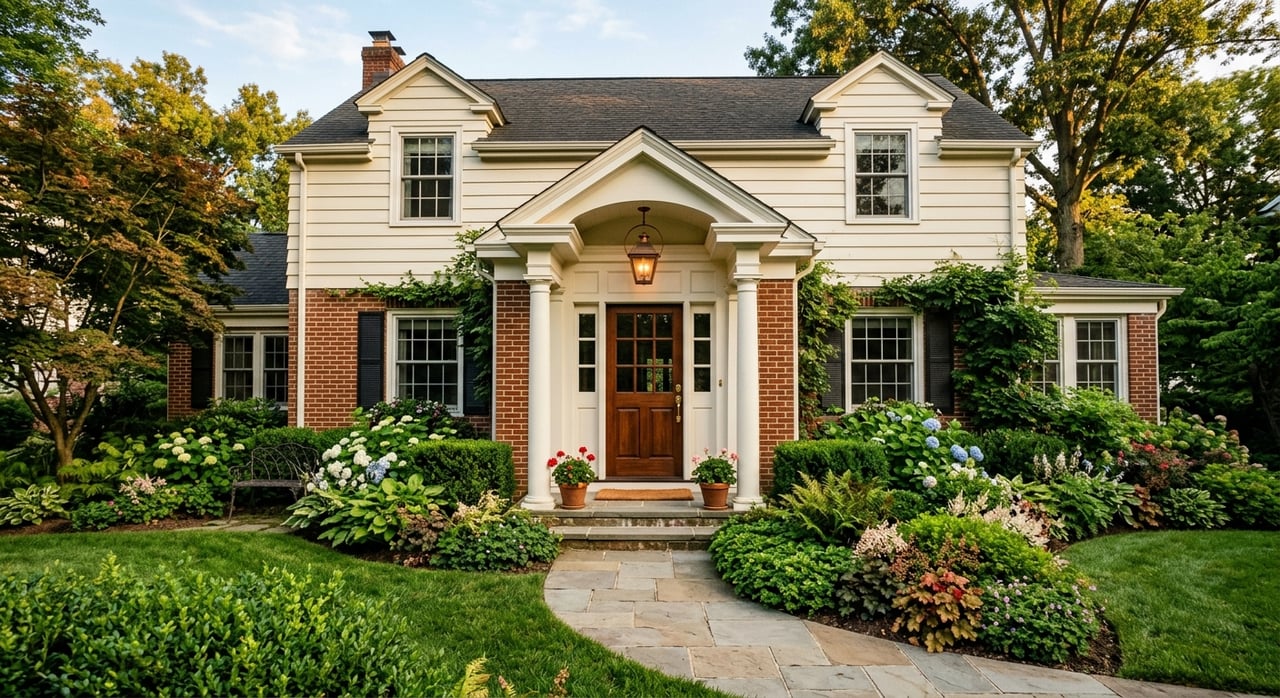
If your current home feels bigger than your daily life, you are not alone. Many Kansas City empty nesters reach a point where less upkeep, a more manageable layout, and a close-in location start to matter more than extra bedrooms. If Fairway is on your radar, this guide will help you understand what makes the city appealing, what tradeoffs to expect, and how to plan your move with confidence. Let’s dive in.
Fairway offers something many empty nesters want but do not always find easily: a smaller, residential setting that still keeps you close to the heart of Kansas City. According to the City of Fairway community overview, Fairway is a compact northeast Johnson County city with nearly 4,000 residents, about 1,800 homes, and 40 businesses, located minutes from the Country Club Plaza and Downtown Kansas City.
That location can be a major draw if you want to simplify your home without feeling disconnected from the metro. You can stay in an inner-ring area, enjoy a more neighborhood-oriented environment, and still keep familiar destinations within easy reach.
Fairway also has a strong residential identity. The city highlights green space, trees, and infrastructure investment as part of its mission, which helps explain why the setting feels calm and established rather than heavily commercial. You may find that appealing if you want your next move to support a lower-maintenance lifestyle without giving up character.
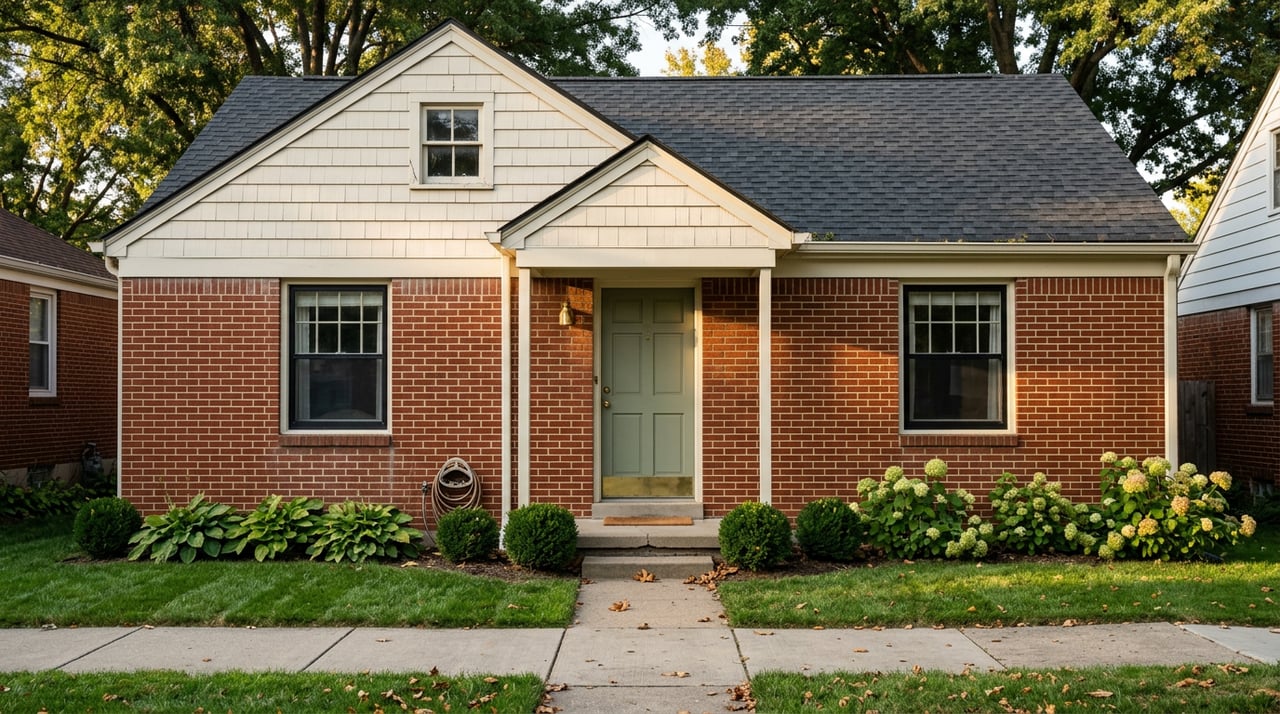
Before you downsize to Fairway, it helps to know that the housing stock is not centered on brand-new construction. The city’s comprehensive planning documents say most of Fairway is zoned single-family, with only small pockets of multifamily zoning, and that a large share of homes were built before 1960.
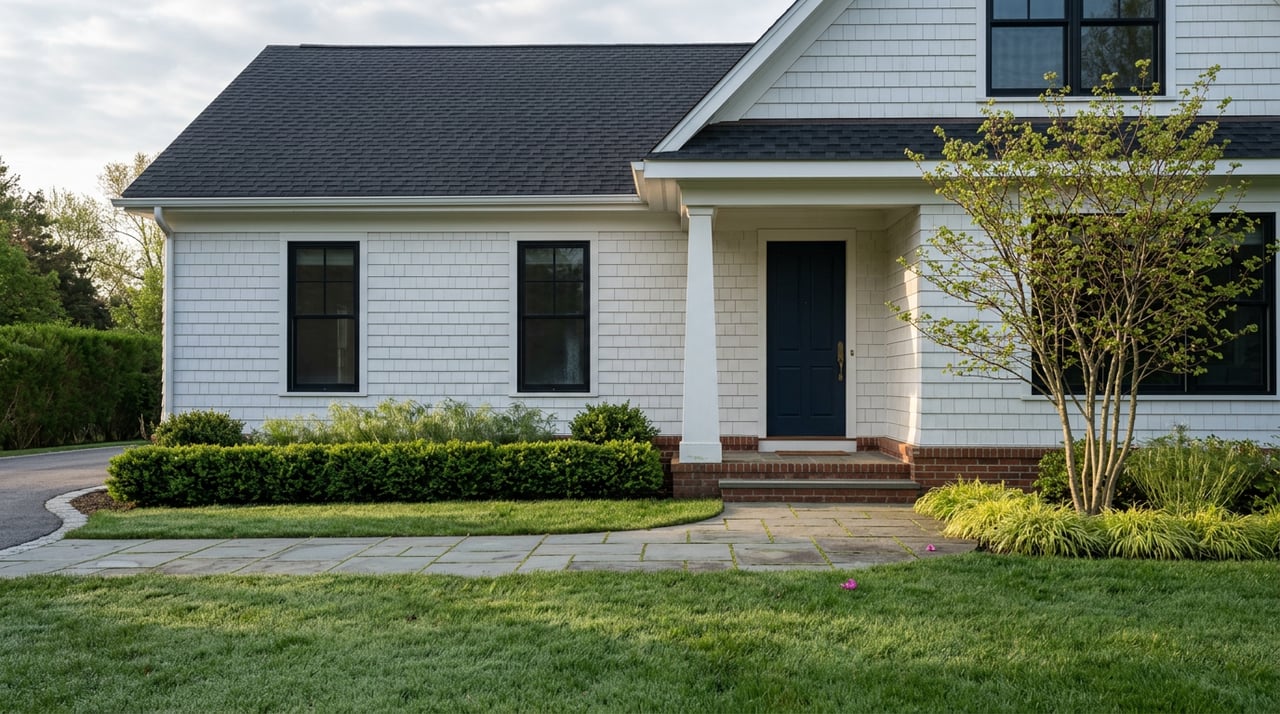
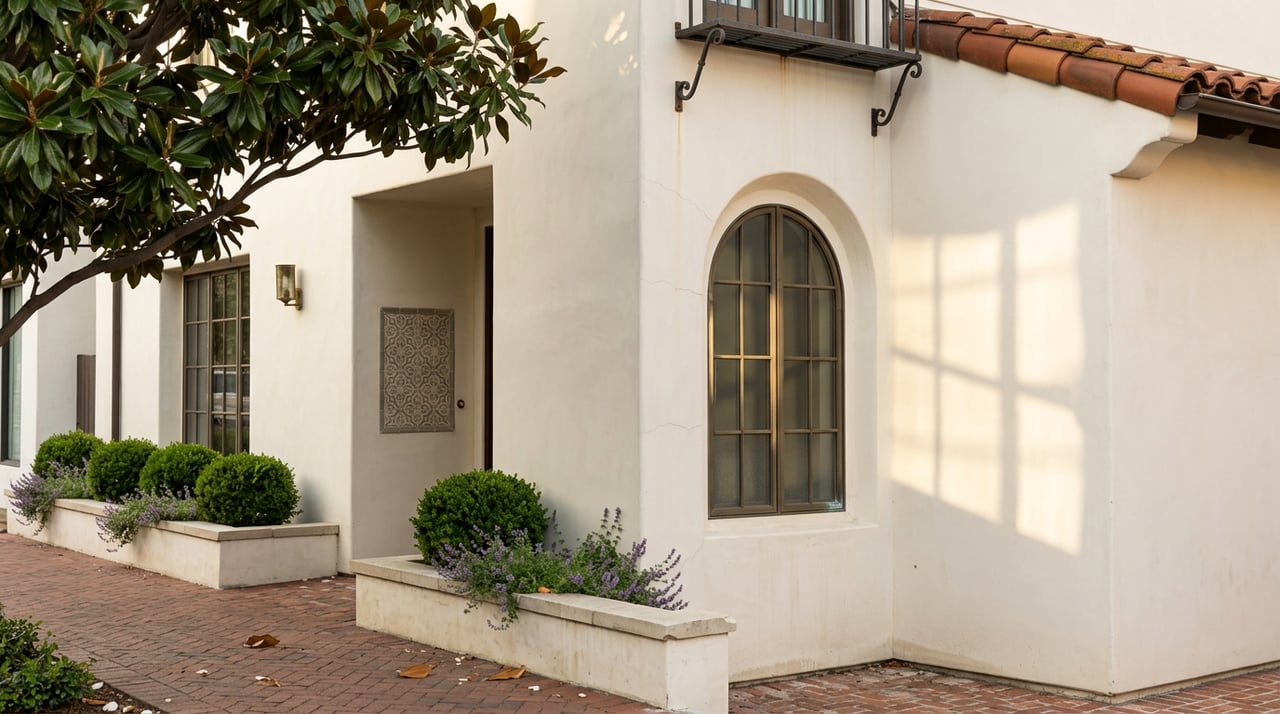
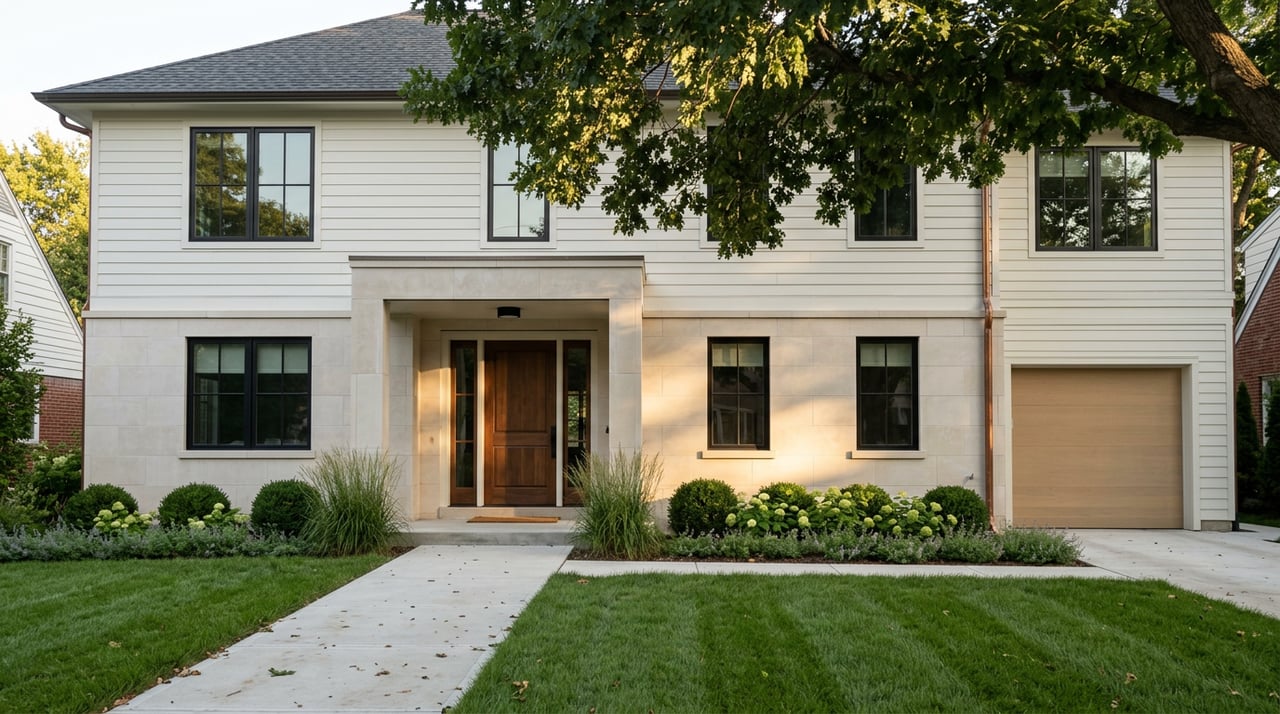
In practical terms, that means you are more likely to see older single-family homes with established curb appeal, mature lots, and details that reflect the area’s long history. It also means your downsizing search may be less about finding a lock-and-leave condo building and more about finding the right smaller home, renovated home, or home with a layout that better fits this stage of life.
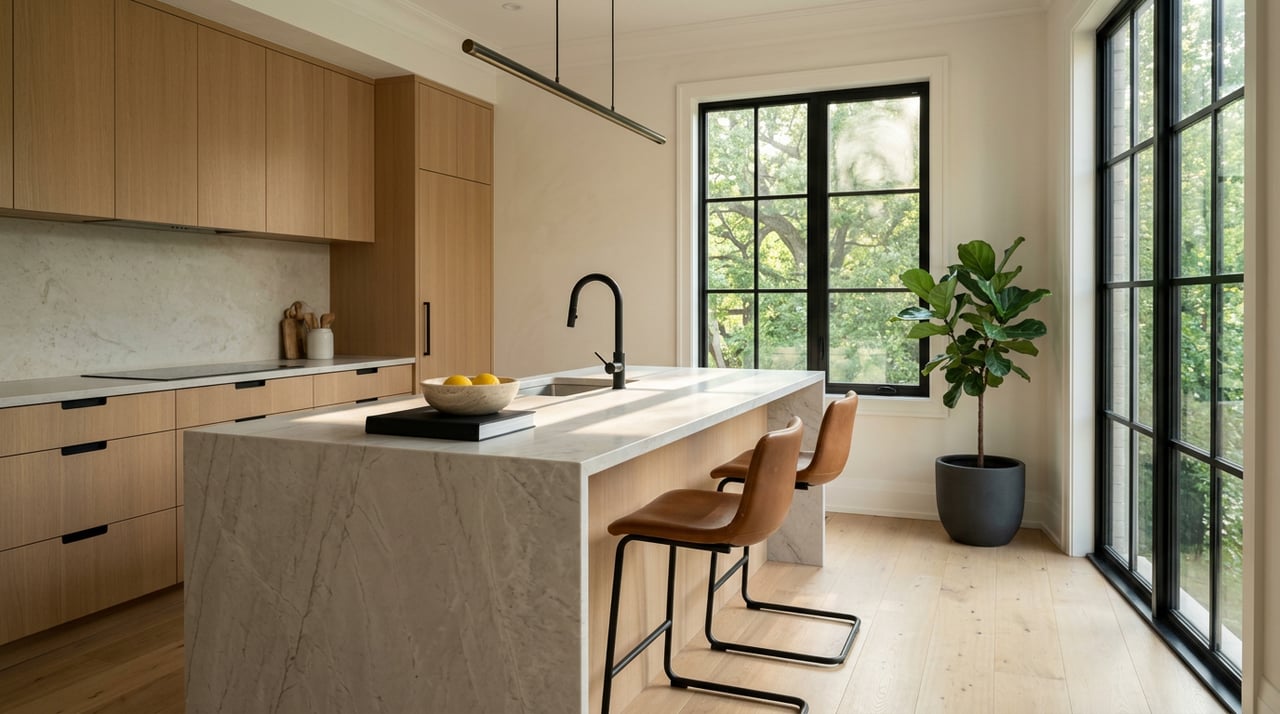
For many buyers, that is part of the appeal. You may be trading sheer square footage for location, charm, and a more manageable property. Still, it is wise to look closely at condition, updates, and long-term maintenance needs before you make a move.
Fairway sits in a premium price range compared with the broader county. According to Realtor.com’s Fairway market page, the city had a March 2026 median listing price of $749,000, 16 active listings, a median 12 days on market, and a 100% sale-to-list ratio.
Other sources show a spread in pricing, which is not unusual in a small market. Zillow reported a typical home value of $606,813 as of February 28, 2026, while Redfin reported a February 2026 median sale price of $1,030,000. The most helpful takeaway is not to focus on one number, but to understand the pattern: Fairway is a higher-price, low-inventory market where pricing can vary meaningfully depending on condition, lot, updates, and exact location.
That premium becomes even clearer when you compare it with the broader county. Redfin’s Johnson County market data showed a February 2026 median sale price of $460,000 for Johnson County, placing Fairway above the county median and reinforcing its position as a close-in, premium option.
For many empty nesters, the right downsizing move is not just about the house. It is also about how your everyday life will feel once you are there. Fairway stands out because its amenities are compact and local rather than spread across a large suburban footprint.
The city identifies Neale Peterson Park, Fairway Pool, Kathryn Lyon Flora Park, the Fairway Shops, and the Shawnee Indian Mission site as community focal points. That gives Fairway a neighborhood feel that can be appealing if you want nearby places to walk, gather, or spend time outdoors without driving across town.
The parks system is especially worth noting. The city’s parks information highlights ADA-accessible play structures, tennis courts, open grass space, reservable shelters, a seasonal pool, and a landscaped pocket park with a waterfall, bridge, and bench swing. For a smaller city, that is a surprisingly complete recreation profile.
At the same time, it is important to set the right expectations about walkability. Fairway is not uniformly walkable in the way a dense urban neighborhood might be. The city’s planning documents note that Shawnee Mission Parkway and Mission Road help connect Fairway regionally but also make pedestrian and bicycle connectivity more challenging in some areas, so the experience is better described as pocket-by-pocket than citywide.
A smaller home does not automatically mean a simpler budget, especially in a premium market. If you are comparing Fairway with your current home or with other Johnson County options, taxes and maintenance deserve a close look.
According to Johnson County’s tax FAQ, Kansas property taxes are based on taxable assessed value. The county appraiser values property, and the county clerk calculates mill levies. Johnson County’s 2025 tax levy rate is 24.110 mills, with one mill equal to $1 in taxes per $1,000 of taxable value.
Fairway’s own 2026 budget gives a useful city-tax example. Using a 19.929-mill city rate and an 11.5% residential assessment ratio, the city estimates annual city tax of $1,626.39 on its average appraised home value of $709,645, or about $135.53 per month. That figure does not include county, school, or other local levies, so your full tax picture will be broader.
You will also want to think honestly about upkeep. Because much of Fairway’s housing predates 1960, it is reasonable to budget for the possibility of updates to major systems or exterior components over time. Roofs, HVAC, windows, plumbing, drainage, and other age-related issues may matter more here than they would in a newer-build community.
If you are considering improvements after you move in, permit requirements matter too. Fairway’s building department guidance says homeowners are responsible for securing proper permits, and most residential projects must comply with R-1 zoning standards. That is important if your downsizing plan includes remodeling, simplifying a floor plan, or updating an older home over time.
For empty nesters, one of the hardest parts of downsizing is not choosing the city. It is coordinating the sale of one home with the purchase of another. In Fairway, where inventory is limited and homes move quickly, timing matters.
Current market data support a careful approach. Realtor.com reported 16 homes for sale and 3 rentals in March 2026, while Zillow showed 8 homes for sale as of late February 2026. With median days on market around 12 to 13 days depending on source, Fairway does not offer much room for delay once the right home appears.
That is why preparation matters before you start touring seriously. Realtor.com’s guidance on buying before selling recommends getting mortgage preapproval, understanding your local market, and having a backup plan if either side of the transaction shifts. The same guidance notes that tools such as home sale contingencies, bridge loans, rent-back agreements, and extended closing periods can help bridge the gap.
The right strategy depends on your finances, flexibility, and comfort with risk. Some sellers prefer to sell first and control the equity side of the equation. Others want to secure the next home first if they are concerned about finding the right fit in a tight market.
If you are thinking about Fairway, a clear plan can reduce stress and help you move decisively when the right opportunity appears.
Here is a practical sequence to follow:
This kind of planning matters because Fairway is a thin market. When inventory is limited, being organized often gives you more options than trying to make decisions on the fly.
Fairway can be a strong downsizing choice if you want to stay close to Kansas City, move into a more manageable home, and enjoy an established residential setting with parks, trees, and a distinctly local feel. It may be especially appealing if you value location and character enough to accept older housing stock, premium pricing, and the need for careful planning.
The key is to look at the move as both a lifestyle decision and a financial one. The right home in Fairway is not simply smaller than your current house. It should also support the way you want to live now, from maintenance expectations to access, timing, and monthly carrying costs.
If you are weighing whether Fairway makes sense for your next move, The Gamble Group can help you evaluate your current home, understand the local market, and build a strategy that fits your timing and goals.
Stay up to date on the latest real estate trends.