Owning a Historic Home in Brookside: Costs, Care, and Charm
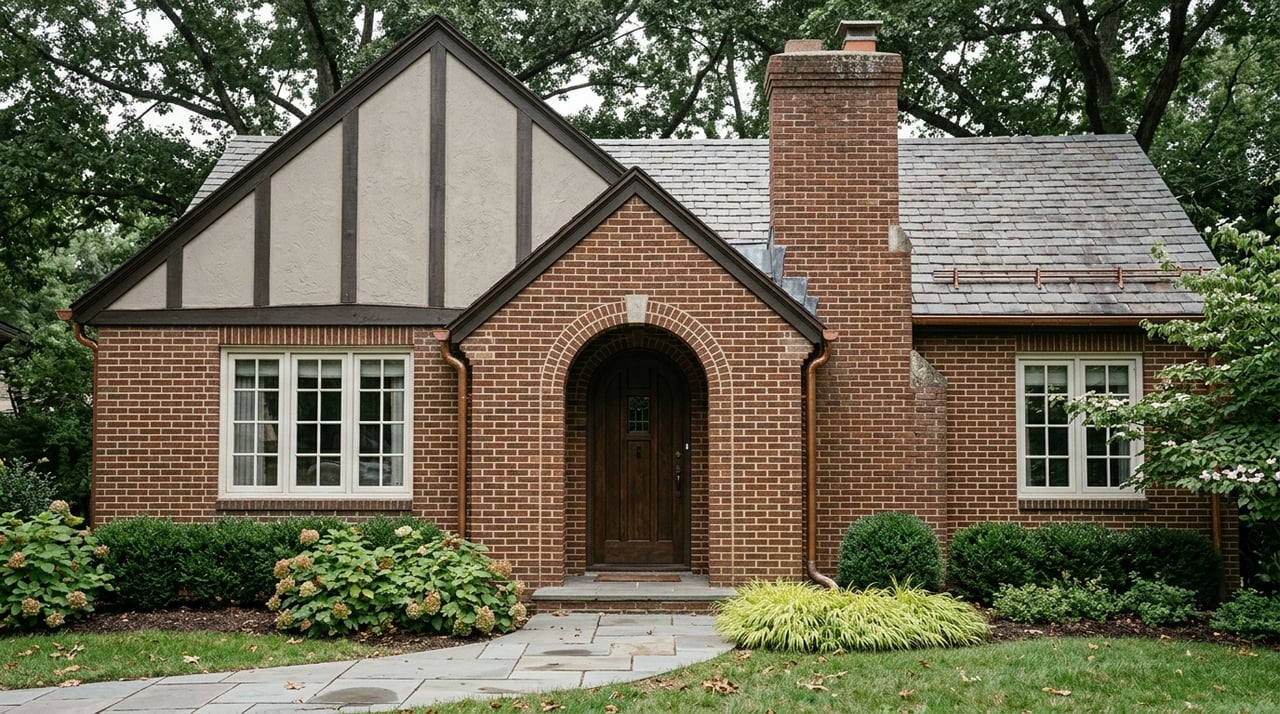
If you love the idea of tree-lined streets, original millwork, and a home with real personality, Brookside can be hard to resist. But historic charm often comes with a different set of costs and decisions than a newer house. If you are thinking about buying or updating an older home in Brookside Park, this guide will help you understand what to verify, what to budget for, and how to protect the features that make these homes special. Let’s dive in.
Brookside is not a new-build neighborhood. The Brookside Business Association describes it as Kansas City’s first suburban shopping area, with the Brookside Shops beginning in 1919 and the area continuing to serve as a neighborhood center with shops and services.
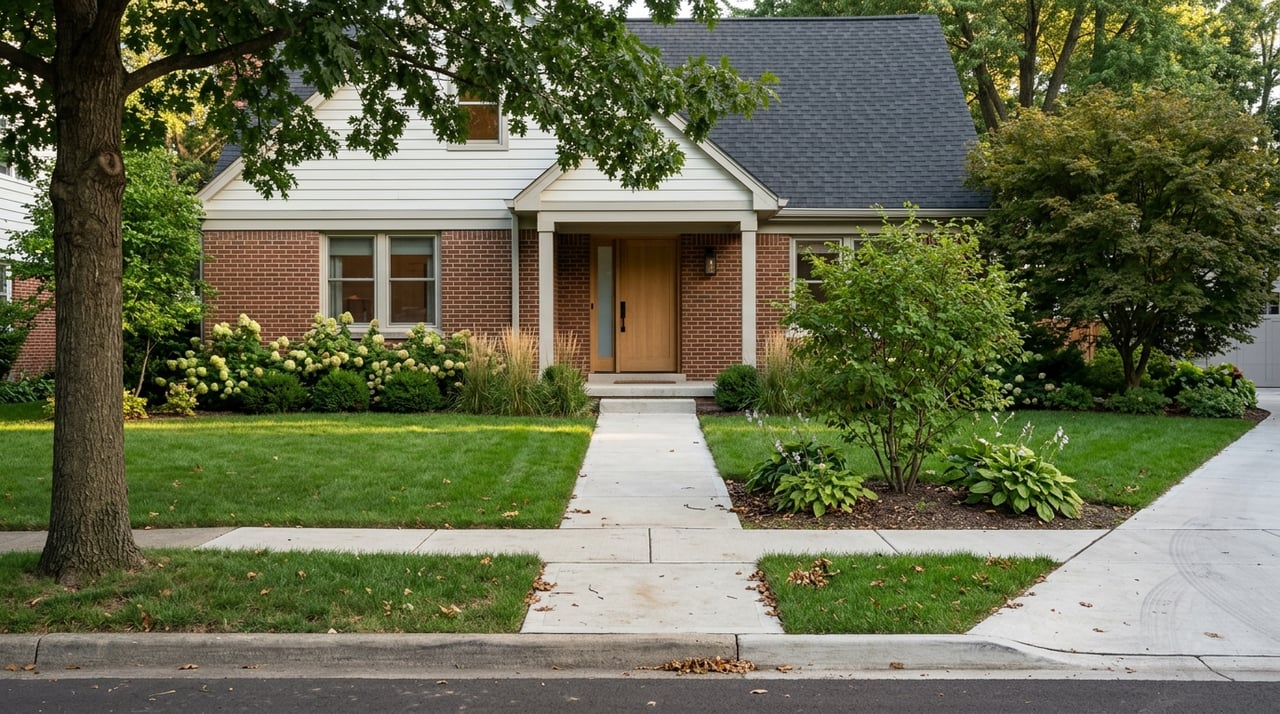
That history shapes the housing stock around Brookside Park. Many homes reflect early-20th-century construction, which often means distinctive brickwork, older windows, plaster walls, mature lots, and architectural details that are hard to recreate today.
For buyers, that character can be a major draw. It also means you should approach the purchase with a little more research and a more realistic maintenance plan than you might need for a newer home.
Before you plan improvements, request permits, or estimate renovation costs, check whether the property is on the Kansas City Register of Historic Places. If it is, Kansas City requires Historic Preservation Commission review for exterior changes visible from the public right-of-way, and the city will not issue a building permit until the work is approved and a Certificate of Appropriateness is issued.
A National Register listing by itself does not trigger the same city review. That distinction matters because two older homes in the same general area may look similar but fall under very different approval rules.
Some Brookside-area properties may also fall within a special overlay district, such as Wornall Homestead. In these areas, exterior work visible from a street or alley may need to use specific materials and match the existing house, and there can also be limits on certain fence and wall materials.
Kansas City uses overlay districts when neighborhood character or historic preservation needs added protection. If you are considering exterior updates, this is worth confirming before you finalize your budget.
Kansas City offers research tools that can help you understand a home before you buy it. Buyers can review original building permits, atlases, historic resource surveys, and register nominations to learn more about a property’s age, original features, and past alterations.
That kind of research can help you separate true historic elements from later changes. It can also give you a clearer picture of what may need repair, what may be worth preserving, and what questions to ask during inspection.
In older homes, moisture is often the issue that turns a manageable house into an expensive one. Preservation guidance notes that rain and damp air can enter through missing mortar and cracks around windows and doors, while clogged gutters and ice dams can push water into attics and walls.
When you walk a property or review an inspection, pay close attention to signs like roof leaks, stained plaster, damp wallpaper, failing gutters and downspouts, or masonry that appears to be taking on water. Small moisture issues rarely stay small for long.
A historic home may be rich in charm but still need practical updates behind the walls. A general home inspection should cover the electrical system, plumbing, septic tank if present, water heater, termites, and other infestation concerns.
These are not the most exciting parts of a showing, but they often drive your real ownership costs. If the systems are dated, you may need to balance cosmetic plans with more urgent infrastructure work.
If a home was built before 1978, there is a higher chance it contains lead-based paint. Deterioration on windows, doors, stairs, railings, and porches deserves extra attention because those are common friction and wear surfaces, and repair or repainting can create lead dust.
Older homes can also contain asbestos in materials such as roofing shingles, ceiling and floor tiles, textured paint, patching compounds, and pipe insulation. EPA guidance advises treating suspect material as asbestos if you are unsure, having damaged or renovation-affected material tested by a trained professional, and leaving intact material alone if it will not be disturbed.
Historic homes usually respond best to consistent upkeep rather than occasional major catch-up projects. Preservation guidance emphasizes keeping roofs weather-tight, repairing flashing, maintaining gutters and downspouts, and fixing smaller issues before they spread into masonry, wood, plaster, and other historic materials.
For masonry, the recommended approach is to repair deteriorated mortar joints with compatible mortar. Hard or mismatched repair methods can damage the wall and alter the appearance of the home.
A practical way to budget is to assume your maintenance will be more active and more specialized than it would be in a recently built house. In return, you may preserve both the appearance and long-term value of distinctive original materials.
Many older homes are less energy efficient than newer ones. The U.S. Department of Energy says older homes often have less insulation than homes built today, and window heat gain and loss account for 25% to 30% of residential heating and cooling energy use.
If the original windows are still in good condition, the first cost-effective improvement is often not full replacement. Caulk, weatherstripping, and storm windows may improve comfort and efficiency while helping you retain the look of the home.
Insurance can be more complicated with an older property. Missouri’s Department of Insurance says some companies may offer limited coverage or may not insure older homes at all, and insurance costs can be affected by the home’s age, construction, roof condition, and overall condition.
The department also notes that if standard coverage is difficult to obtain, consumers may look to the Missouri Property Insurance Placement Facility, or FAIRPLAN. In addition, roofs over 20 years old often lead to closer review and may affect whether coverage is based on actual cash value instead of replacement cost.
For many Brookside homes, the most value-preserving projects are often the least flashy. Roof and gutter work, masonry repointing, window repair or weatherization, and careful mechanical, electrical, and plumbing updates usually do more to protect the home than trend-driven cosmetic changes.
Preservation guidance supports repairing historic windows rather than replacing them when possible. Standards also allow limited, sensitive upgrades to mechanical, electrical, and plumbing systems in preservation work, which helps owners improve function without stripping away character.
If the property is subject to local design review, additions and exterior alterations should be compatible in size, scale, proportion, and materials. The goal is not to create a fake historic look, but to make updates that respect the home’s form and setting.
That matters for both livability and resale. Buyers are often drawn to homes that feel authentic, not homes where the original architecture has been erased.
Some renovation costs may be offset through historic tax credits. Missouri’s historic preservation credit is 25% for certified historic structures in Kansas City, and the state program is available to owner-occupied homes.
The federal rehabilitation credit is 20%, but it generally applies to certified historic structures used as income-producing property. Both programs depend on work that follows the Secretary of the Interior’s Standards, so eligibility and project planning should be reviewed early.
The best long-term approach is usually a balanced one. Modernize what is expensive to own, unsafe to keep, or no longer functional, but preserve the visible details that give the home its Brookside identity.
That may mean repairing original windows instead of replacing them, preserving masonry and trim, and investing in roofs, drainage, and core systems before spending heavily on cosmetic changes. In many cases, thoughtful stewardship is what helps an older home remain both enjoyable to live in and appealing to future buyers.
If you are considering a historic or character-rich home in Brookside Park, local guidance matters. A careful review of designation status, condition, insurance options, and renovation priorities can help you move forward with confidence and avoid costly surprises.
Historic homes ask more from you, but they can give a lot back. If you want experienced, neighborhood-level guidance on buying, selling, or evaluating a character home in Kansas City, The Gamble Group offers the kind of thoughtful, high-touch support that helps you make smart decisions from the start.
Stay up to date on the latest real estate trends.