Crossroads Arts District Living: A Creative Urban Guide
Do tall windows, brick walls, and gallery nights sound like home? If you love walkable streets and creative energy, Kansas City’s Crossroads Arts District could be a fit. In this guide, you’ll learn what it is like to live here day to day, the housing styles you will find, how events and nightlife shape the rhythm of the neighborhood, and what to check before you buy. Let’s dive in.
Crossroads is downtown Kansas City’s arts hub, centered around 19th Street and Baltimore Avenue. Visitor resources describe a footprint roughly from about 15th to 22nd Street, stretching between the downtown loop and Union Station toward the rail corridor. You can get a quick snapshot of the district’s location and arts density from the region’s tourism overview of the area’s galleries and creative spaces.
Crossroads grew out of historic Film Row and light-industrial warehouses into a gallery district beginning in the 1980s and 1990s. Artists and gallerists converted buildings into studios and exhibition spaces, and that identity still defines the neighborhood today. Local reporting highlights how those artist-led conversions helped make Crossroads a premier creative district with a steady calendar of exhibitions and openings (learn more about the district’s evolution).
For a quick feel of its cultural anchors, check visitor resources that note dozens of galleries and studios and highlight names like Leedy‑Voulkos, Belger Arts, and Sherry Leedy Contemporary as long-time fixtures of the scene (see a gallery overview).
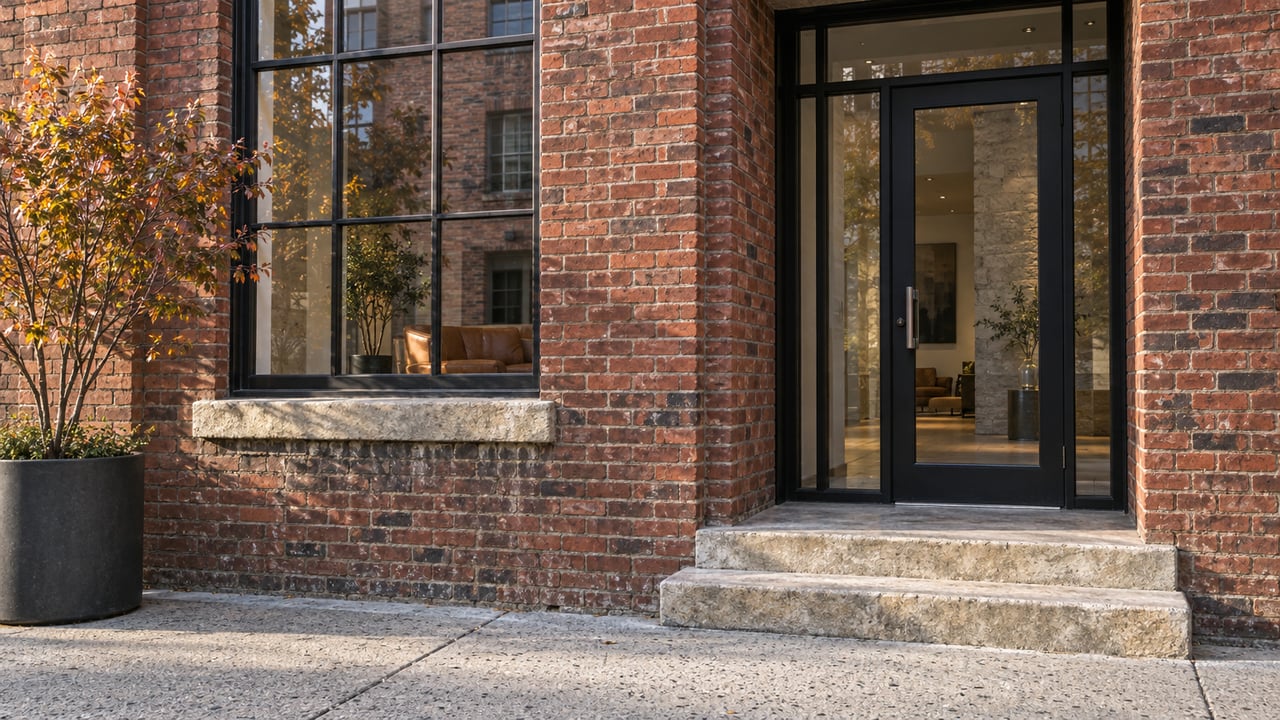
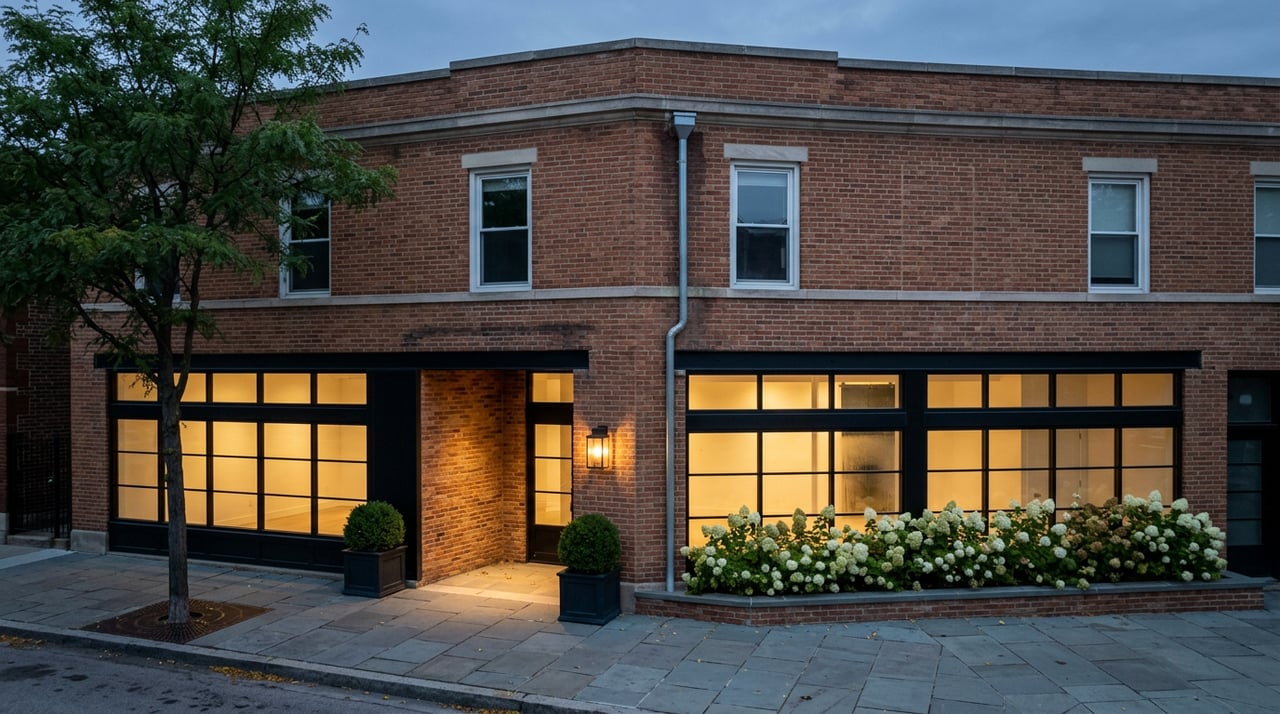
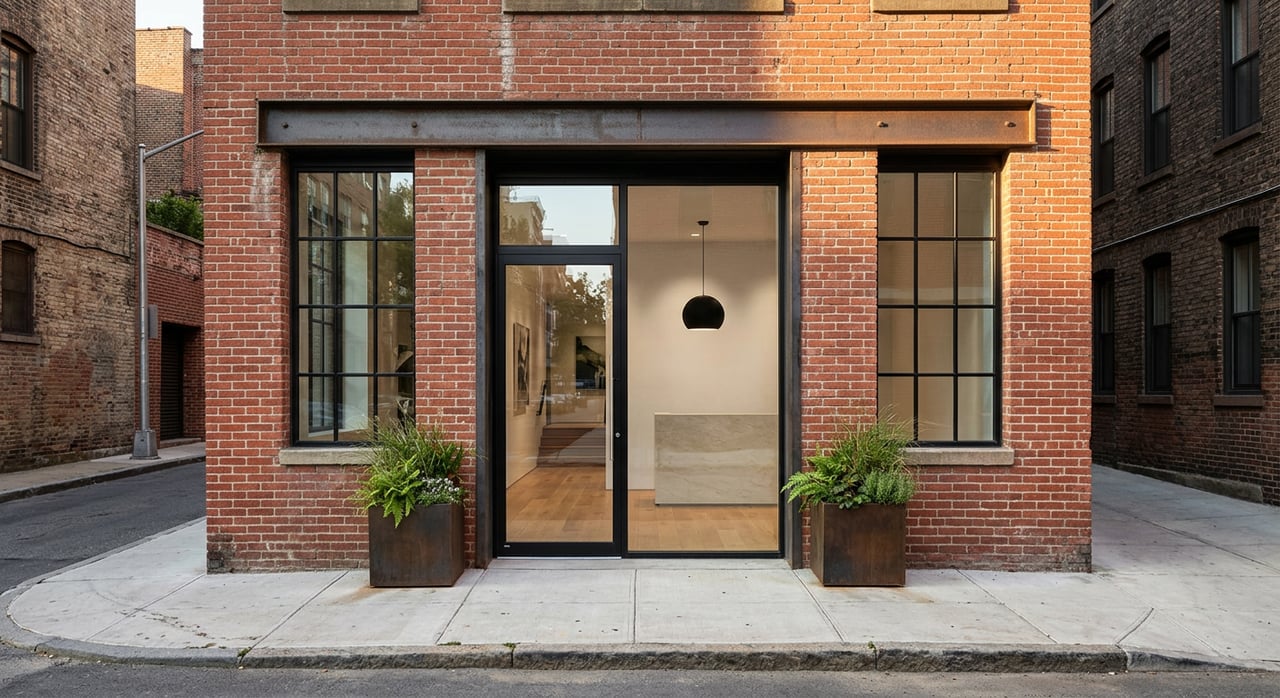
If you picture exposed brick, tall ceilings, and big industrial windows, you are on the right track. Many homes here are warehouse-conversion lofts, small condos inside historic buildings, and purpose-built urban apartments with loft finishes. You will also find limited townhomes and new infill, often with rooftop or deck amenities.
As a reference point, buildings like Piper Lofts show the typical mix of features residents love: in‑unit laundry, concrete or timber beams, tall ceilings, and rooftop access (view a representative amenities list). Not every building has the same package, so it pays to compare amenity lists and review HOA details for each address you consider.
Crossroads has a large share of rentals alongside condos and a smaller number of townhomes. That mix creates a steady street life, with many residents drawn to the neighborhood for creative work, proximity to downtown employers, and a low‑maintenance lifestyle. If you are renting first, track current rates and availability in multiple buildings to compare layouts, parking, and lease terms.
Crossroads moves to an arts rhythm. On First Fridays, galleries and studios open late and the streets fill with vendors, food, and music. The Crossroads Community Association and partners now coordinate curated programs and markets, and some nights draw large crowds (check the current First Fridays details).
For residents, that means many midweek nights feel calm, while event weekends get lively. If you prefer quiet at home, look for interior‑facing units, double‑paned windows, and floor plans set back from street activity. If you love the buzz, focus on blocks closer to galleries and the East Crossroads brewery cluster.
East Crossroads carries a reputation as a “beverage district,” with a cluster of breweries, distilleries, and taprooms within a few walkable blocks. Places like Torn Label Brewing anchor the scene, giving you an easy loop of tasting rooms and casual dining without getting in the car (explore Torn Label).
Beyond beer and spirits, galleries and arts nonprofits add classes, talks, and rotating exhibitions. Belger Arts Center and other institutions offer public programming that helps keep the neighborhood active most nights of the week (see programs at Belger Arts).
If you value getting around without a car, Crossroads delivers. The KC Streetcar runs along Main Street with a Crossroads stop at 19th and Main, and it is free to ride. You can hop to Union Station, Power & Light, and the River Market for dining, events, and errands without parking hassles (learn how to ride the KC Streetcar).
Walkability is another daily advantage. Sidewalks and mid-rise blocks make short trips practical, and many residents pick homes based on quick access to galleries, coffee shops, and transit stops.
Because Crossroads sees relatively few closings in a typical month, neighborhood medians can swing quickly. Published snapshots in early 2026 place the median sale price roughly in the mid‑$200,000s to low‑$300,000s, with volatility that reflects small sample sizes rather than a clear trend. Treat medians as context, not a rule, and compare several recent sales in your target buildings when you are ready to make an offer.
For buyers, that small‑sample effect creates opportunity if you are prepared. Off‑market options, variable days on market, and differences between units in the same building make skilled pricing analysis essential.
Crossroads appeals to a range of lifestyles. The common thread is a preference for energy, walkability, and low‑maintenance living.
Buying in Crossroads is straightforward when you focus on the right details. Use this list to guide your due diligence.
Success here starts with clarity on your must‑haves. List your top three priorities, such as a quiet interior unit, secured parking, or a rooftop deck. Then tour during both day and evening to confirm light, noise, and street activity meet your comfort level.
In a market where each loft can be unique, your representation matters. You want accurate pricing counsel, a firm handle on HOA rules and building histories, and a plan for negotiations if you are competing for a rare top‑floor unit or a well‑priced one‑bedroom. With decades of neighborhood‑level experience across Kansas City and a high‑touch, boutique approach, our team helps you compare buildings, understand tradeoffs, and move with confidence.
If you are curious whether Crossroads is the right fit for your lifestyle, we would love to talk through options and next steps. Schedule a Consultation with The Gamble Group and get personalized guidance for your move.
Stay up to date on the latest real estate trends.