Downtown Kansas City Lofts: What Buyers Should Know
Thinking about buying a loft in downtown Kansas City? It can be an exciting move, but it is also a different process than buying a typical house in the suburbs. Between historic warehouse conversions, newer condo buildings, HOA dues, parking, and building-specific financing, the details matter. This guide will help you understand what to compare, what to verify early, and how to shop with more confidence. Let’s dive in.
Downtown Kansas City is currently functioning as a buyer’s market by Realtor.com’s measure. In March 2026, the median listing price was $279,000, while Redfin reported a lower median closed-sale price of $230,000 for the same period.
Those numbers are not necessarily in conflict. One reflects listing activity and the other reflects closed sales, so the difference can come from pricing strategy, negotiation, and the mix of buildings included in each data set.
Downtown also sits fairly close to broader Kansas City pricing. Citywide, Realtor.com reported a $283.7K median listing price, while Redfin showed a $291K median sale price. For buyers, that means downtown loft living is not automatically priced far above the rest of the city.
One of the biggest mistakes loft buyers make is treating downtown like one single market. In reality, pricing can shift a lot depending on the subarea, building style, amenities, and whether parking or storage is included.
Recent median listing prices show that spread clearly:
For you as a buyer, that means the address alone does not tell the whole story. View corridors, building quality, access to the streetcar, parking setup, and monthly dues often shape value just as much as the neighborhood name.
Downtown Kansas City offers a lifestyle that feels different from other parts of the metro. If you want a more walkable, car-light routine, the KC Streetcar is a major part of that equation.
The streetcar now runs 5.7 miles with 31 stops from River Market to UMKC. Along the downtown stretch, it follows Main Street from River Market to Union Station and Crown Center, which can make nearby lofts especially practical for buyers who want easier access to work, dining, and entertainment.
Downtown also has a large and varied housing stock. The Downtown Council’s 2024 housing report lists 3,389 units in Greater Downtown, spanning older loft conversions and newer projects across the CBD, River Market, Crossroads, and nearby subareas.
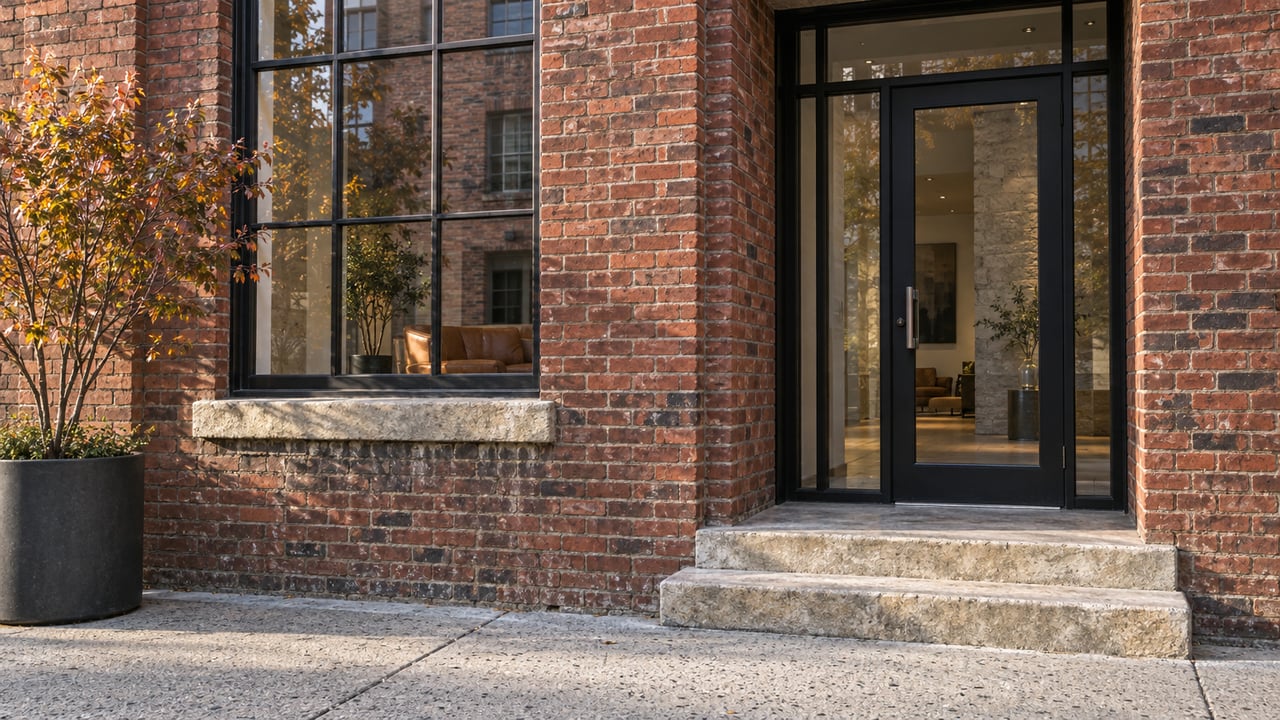
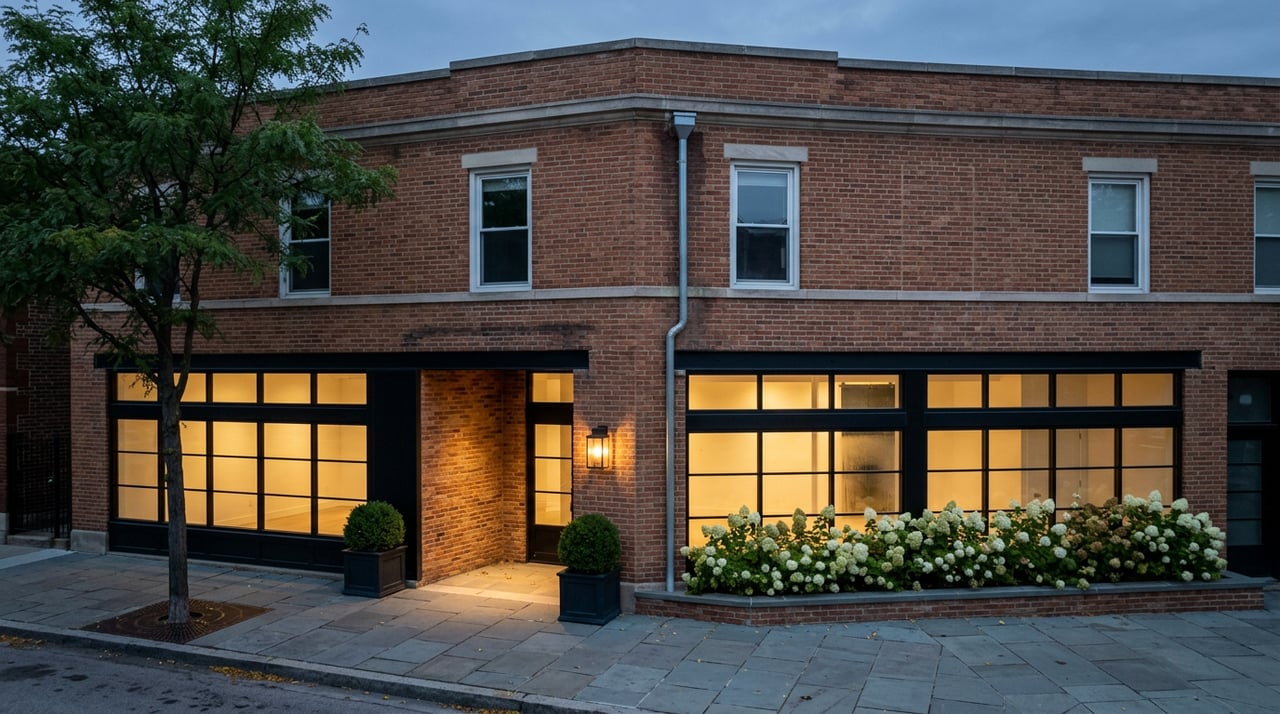
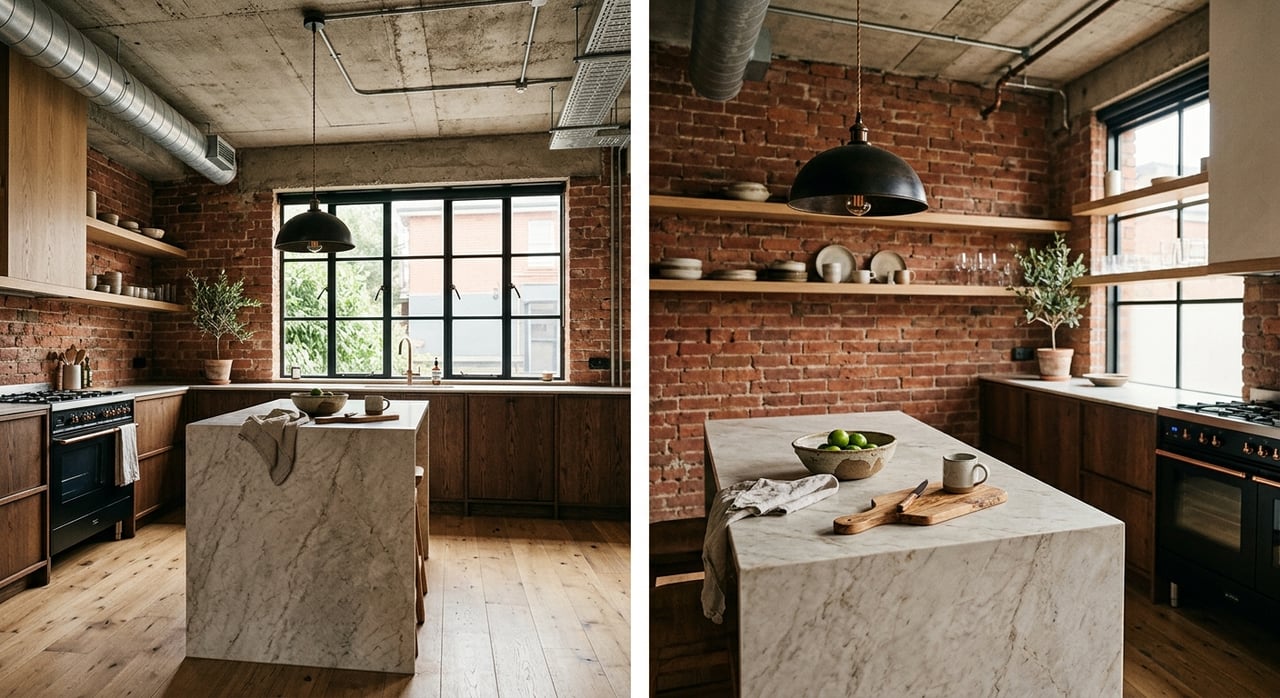
If you picture downtown loft living, you are probably thinking of historic conversion buildings. Many current listings highlight exposed brick, original beams, visible ductwork, polished concrete, hardwood floors, and oversized industrial windows.
That character is often the main draw. These homes can feel distinctive and hard to replicate in newer construction, especially if you value original materials and a true warehouse-style atmosphere.
The tradeoff is that older buildings are rarely standardized. One loft may include covered parking and storage, while another unit in the same area may offer neither.
That makes building documents especially important. Missouri condo resale documents can include key details about monthly common expenses, reserves, budgets, insurance, pending suits, anticipated capital expenditures, and other facts that affect your ownership costs and future resale.
For conversion buildings, original sale disclosures also carry added importance because they address work done on major systems and unresolved building-code or municipal-violation issues. If you are buying a historic loft, this is one of the first places to slow down and review carefully.
Newer or more amenity-heavy buildings offer a very different lifestyle. In the Power & Light corridor, examples include full-service features such as rooftop pools, staffed lobbies, controlled-access parking, and direct access to ground-floor conveniences.
That can be appealing if you want lower-maintenance living and a more predictable amenity package. It is also worth noting that the Downtown Council’s recent project list suggests much of the newest downtown development has been delivered as rental product rather than traditional for-sale loft inventory.
In downtown Kansas City, parking is not a small detail. The City of Kansas City says downtown has about 40,000 parking spaces, including on-street parking, eight municipal garages, and two surface lots.
Even with that supply, residential parking is not always included with a unit. The city’s garage pages show monthly parking rates that can range from about $63 to $128 depending on the garage, and the city notes in River Market that on-street parking is not intended for long-term parking.
That is why deeded parking, assigned parking, and secure garage access can add real value. The same goes for storage, especially if you need space for bikes, seasonal items, or work-from-home overflow.
When you compare lofts, ask exactly what is included:
These details can affect both your monthly budget and future resale appeal.
A downtown loft’s price is only part of the story. HOA dues are usually separate from your mortgage payment, and downtown examples show they can range from a few hundred dollars to more than $1,000 per month.
What those dues cover can vary widely. Some buildings include items such as gas, water, trash, recycling, building insurance, grounds maintenance, pools, utilities, parking, or storage, while others cover a narrower set of operating costs.
That is why buyers should compare total monthly carrying cost, not just purchase price. A loft with a lower list price but expensive parking, higher dues, and fewer included services may not be the better value.
Many buyers assume financing depends only on credit score, down payment, and income. With condos and lofts, the building itself can also play a major role.
Fannie Mae notes that condo project eligibility and financial strength matter to lenders. They may review project budgets, reserves, delinquent assessments, and project status, which means some buildings are easier to finance conventionally than others.
This is especially important in newer projects or newly converted buildings. Weak reserves or special assessments can create extra hurdles, so it helps to ask early whether the project is commonly financed with conventional loans or whether other financing paths may be needed.
Some downtown lofts advertise tax abatements that can materially reduce carrying costs. Current examples include listings at 1535 Walnut referencing an 18-year tax abatement and a 600 Admiral listing noting abatement through 2029.
This can make one unit more affordable than another even when the purchase price looks similar. But abatements are building-specific and sometimes unit-specific, so you should always verify whether an abatement applies and how much time remains.
Property taxes also need context. Jackson County assesses real estate at market value every other year on odd-numbered years, and the county states that a higher assessed value does not automatically mean a higher tax bill because tax rates are set separately by taxing authorities.
If you disagree with an assessment, the county says owners can request a value review or formal appeal. For buyers, that is a reminder to look beyond today’s tax bill and understand how future ownership costs could change.
Lofts near Power & Light often get attention for lifestyle and convenience, but there is no single pricing rule. Recent examples in and around the area range from about $98,500 for a 500-square-foot studio with secure covered parking and concierge service to one-bedroom units around $250,000 to $280,000, up to larger condos around $370,700 with two parking spaces and storage.
That range shows why building quality and included features matter so much. In many cases, what looks like a location premium is really a building premium shaped by amenities, parking, storage, views, and tax treatment.
A loft a few blocks away may cost less because it lacks deeded parking or has fewer building services. Another may cost more even at a smaller size because the total ownership package is stronger.
Downtown loft purchases reward buyers who ask the right questions early. Before you get too far into a deal, focus on the items that most often affect cost, financing, and peace of mind.
Here are some of the most important questions to verify:
These are not small technicalities. They are often the factors that separate a loft that looks great online from one that truly fits your budget and goals.
Buying a loft in downtown Kansas City can be a great lifestyle move, whether you are drawn to exposed brick and old timber beams or prefer a newer building with more amenities and services. The key is to compare properties as complete ownership packages, not just by square footage or list price.
When you look closely at parking, storage, dues, financing, taxes, and building documents, you put yourself in a stronger position to buy with clarity. That kind of preparation can help you avoid surprises and choose a loft that works for both your day-to-day life and your long-term plans.
If you are exploring lofts in downtown Kansas City and want a more strategic, high-touch buying experience, The Gamble Group can help you evaluate options, compare building details, and move forward with confidence.
Stay up to date on the latest real estate trends.