Olathe New Construction Neighborhoods or Older Areas?

If you’re deciding between a newer development and an established area in Olathe, you’re really deciding how you want to live day to day. Some buyers want the structure of a master-planned community, while others prefer the character and flexibility that can come with an older neighborhood. The key is understanding that in Olathe, this choice is rarely just about a home’s age. It is about HOA rules, lot layout, school assignment, commute patterns, and long-term upkeep. Let’s dive in.
Olathe’s growth pattern makes this comparison especially important. According to the city’s planning and development overview, much of the current residential and commercial growth is happening on the southwest side, especially south of 143rd Street and west of US-169, where new sewer infrastructure is supporting continued development.
That means “newer” in Olathe often points you toward growth corridors and master-planned communities. “Established” often means neighborhoods built under older development standards, with more variation from block to block. If you are buying here, it helps to compare the lifestyle attached to the address, not just the year the home was built.
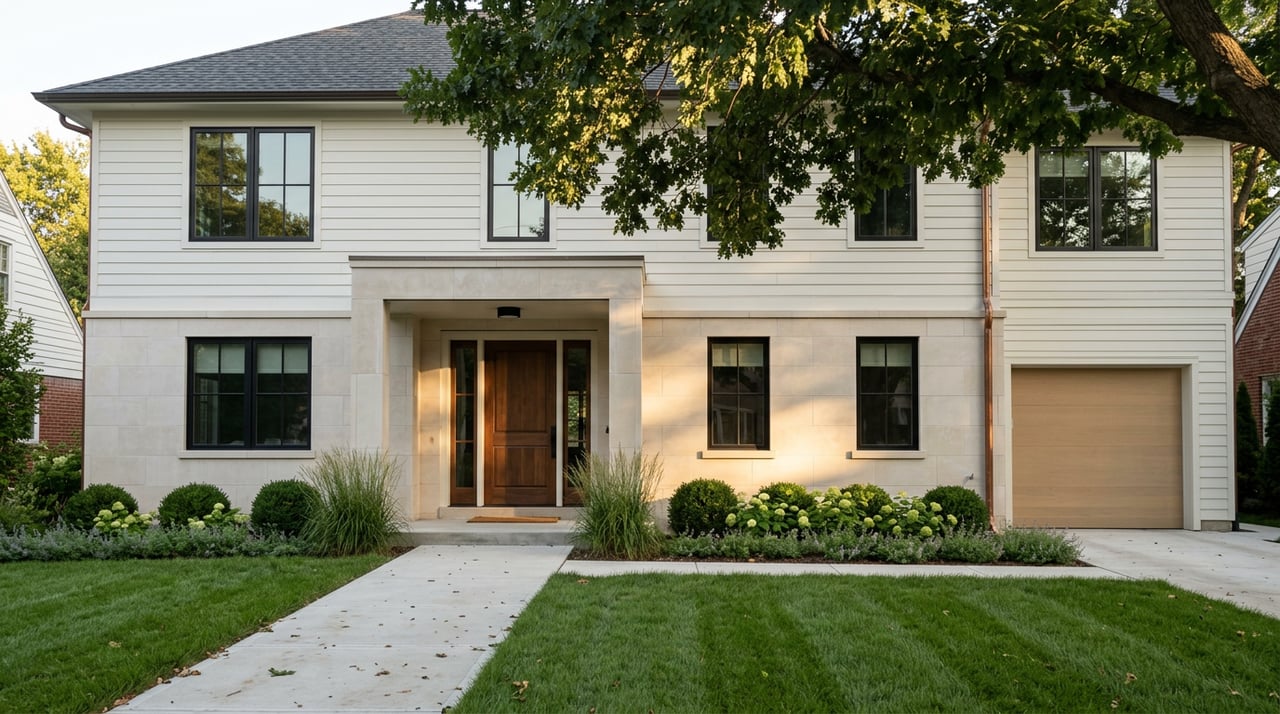
In Olathe, newer communities often come with a more planned and more uniform feel. These areas may include internal neighborhood sections, shared amenities, design review processes, and HOA oversight that shapes both appearance and maintenance expectations.
A good example is Cedar Creek, a large planned area south of K-10 and west of K-7. The community includes multiple neighborhood types, including areas such as Valley Ridge, Hidden Lake Estates, Canyon Oaks, and maintenance-provided sections. That mix is a helpful reminder that even within one newer development, housing options can vary quite a bit.
For many buyers, the biggest difference in a newer development is HOA governance. In Cedar Creek, the community rules require single-family use, limit nonresidential activity, require approval for exterior changes, and restrict outdoor storage of RVs, trailers, campers, boats, and similar items.
That kind of structure can be a real advantage if you want a more predictable neighborhood environment. It can also be a drawback if you value flexibility and want fewer restrictions on how you use or modify your property.
Many buyers assume newer homes always mean smaller lots. In Olathe, that is not always true. Research examples from Cedar Creek show lot sizes around 0.24 acre, 0.31 acre, and even about 0.55 acre, depending on the section and product type.
The takeaway is simple: do not rely on broad assumptions. Review the specific plat, lot dimensions, and subdivision details for the home you are considering.
Newer developments may shift some upkeep into HOA-managed common areas and landscaping. That can make everyday ownership feel simpler, especially if you want a more low-maintenance routine.
At the same time, that convenience usually comes with fees and more oversight. If you are comparing monthly costs, be sure to weigh HOA dues alongside your likely repair and replacement budget.
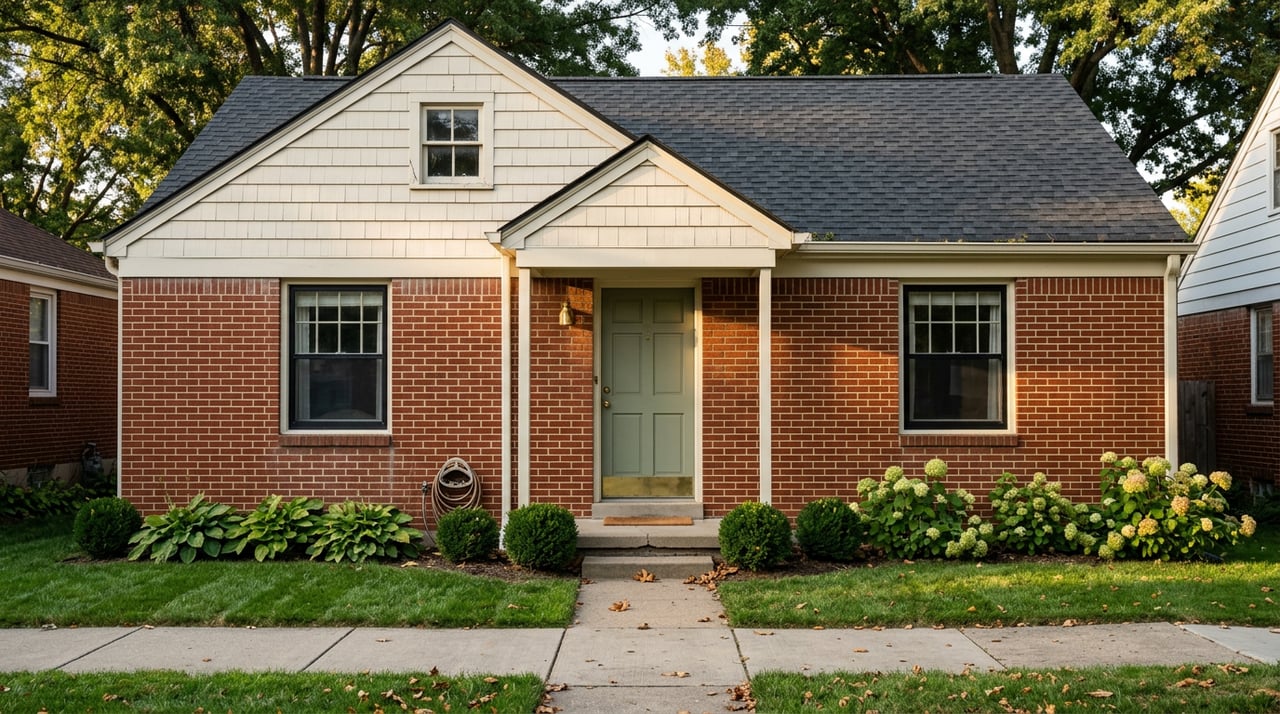
Established neighborhoods in Olathe usually bring more variation in housing style, lot configuration, and street character. They can also offer more individualized improvement opportunities, depending on zoning, overlays, and any deed restrictions attached to the property.
One of Olathe’s clearest examples is Original Town, which covers about 4 square miles and roughly 6,839 parcels, with an average build date of 1963. That gives you a sense of how different the development pattern can be compared with newer west and southwest growth areas.
Older areas often feel less standardized. In Original Town, the overlay district allows certain waivers from setback and lot requirements while also requiring architectural review for new dwellings.
That is a very different framework from a tightly deed-restricted master-planned subdivision. In practical terms, you may find more variety in home design, lot placement, and renovation potential, but also less predictability from one property to the next.
Established areas can appeal to buyers who want mature streetscapes and homes with more individual personality. They can also require more due diligence because renovation history, deferred maintenance, lot rules, and overlay regulations may differ by address.
Olathe’s Historic Preservation Board also reflects the city’s preservation and reinvestment context in older areas. If you are drawn to an established part of town, address-level review matters more than neighborhood labels.
Older neighborhoods do not always mean larger yards. A current Original Town example cited in the research shows a lot of about 0.17 acre, which is smaller than some newer Cedar Creek examples.
That is why age alone is not a reliable shortcut for lot size in Olathe. The city’s R-1 zoning framework includes multiple lot-area thresholds, and certain smaller lots can trigger added design standards.
For many buyers, school assignment is one of the biggest factors in this comparison. Olathe Public Schools serves more than 29,000 students across 58 buildings, and the district encourages families to verify attendance areas through the Johnson County AIMS locator.
The main point is this: a neighborhood name does not tell you everything. You need to confirm the exact address.
The district’s school feeder information shows how much assignment can change by location. For example, Cedar Creek Elementary feeds Mission Trail Middle and Olathe West High, while Meadow Lane Elementary feeds Prairie Trail Middle and Olathe Northwest High. Central Elementary feeds Oregon Trail Middle and Olathe North High.
Those differences can shape your daily routine and your long-term planning. If school continuity matters to your household, verify the current assignment before you make assumptions based on a general area.
School paths are also not fixed forever. Olathe Public Schools has already announced that beginning in 2026-27, Westview and Rolling Ridge boundaries will merge, and Westview will be repurposed.
That does not mean an area is less desirable. It simply means school assignment should be treated as a current fact to verify, not a permanent feature of the home.
Master-planned areas can also cross district or attendance boundaries. Cedar Creek is a useful example because the community information page lists both Olathe Public Schools and DeSoto School District contacts.
If you are comparing newer developments, this is one more reason to check the exact address early in your search.
Your drive time and route options may affect your satisfaction as much as the house itself. Olathe says growth is concentrated in the southwest, and infrastructure projects such as the Lone Elm Road widening are designed to support that growth.
At the same time, the city notes that the I-35 and 119th Street interchange regularly backs up onto I-35 during peak morning and afternoon periods. That means newer west and southwest communities may come with a more corridor-dependent commute, while older central areas may offer different access patterns depending on where you work and travel most.
If you are choosing between a newer development and an established area in Olathe, focus on the property-specific details that will affect your daily life.
Review the actual lot dimensions, plat, and zoning rules for the property. Olathe’s zoning standards can differ based on lot area, and older overlays may allow exceptions that newer subdivisions do not.
Read the HOA documents closely if the property has one. Exterior changes, parking, storage, and maintenance expectations can all affect how you use the home.
Confirm the current attendance area for the exact address. Do not rely on neighborhood names, online chatter, or outdated listing remarks.
Test the route you are most likely to use. A home that looks perfect on paper can feel very different if your daily drive depends on a congested corridor.
Think beyond the mortgage payment. Newer communities may bundle more appearance control and shared upkeep into HOA costs, while older homes may require a larger reserve for repairs, renovations, and replacements.
A newer development may fit you well if you want a more structured environment, a more predictable visual standard, and the convenience of HOA-managed common elements. It can also appeal to buyers who want access to newer infrastructure and neighborhood planning.
An established area may fit you better if you value variety, mature surroundings, and the possibility of making more individualized improvements where regulations allow. It can be a strong choice if you are comfortable doing more address-level homework before you buy.
In Olathe, this decision is rarely about newer being better or older being better. It is about finding the right balance of flexibility, oversight, commute, school verification, and maintenance expectations for your household.
If you want help comparing specific Olathe neighborhoods and properties, The Gamble Group offers a thoughtful, high-touch approach built around clear guidance and local market insight.
Stay up to date on the latest real estate trends.